- calendar_today August 23, 2025
Google is plotting an advanced route for its smart home network which represents a major transformation of the Google Home application. The completion of Nest devices’ integration into the Google Home app is happening alongside Google’s efforts to streamline and improve user experience through a comprehensive system redesign.
The core element of this evolution consists of a more extensive incorporation of Gemini AI which brings about new possibilities for intuitive home control and intelligent automation. Together with extended third-party device compatibility via the Home API these developments establish the foundation for an integrated smart home system that operates proactively.
The Google Home app functions as the main control point for various smart devices through its support for Google-made cameras, thermostats, smoke detectors and expanding third-party device compatibility. The ability to handle mixed smart home setups exists but becomes challenging due to the complex nature of managing different devices. Google asserts that artificial intelligence through Gemini will enable a more integrated and intuitive smart home experience.
Google initiated its path to an AI-driven smart home through initial Gemini integration testing with Google Home last year. Google is now vastly increasing Gemini accessibility to additional third-party devices through the Home API. This development represents a vital stage in achieving a fully interoperable smart home ecosystem.
Google has been actively collaborating with specific partner organizations to ready their devices for integration before they become generally available. The newly released First Alert smoke/carbon monoxide detector and Yale smart lock now serve as replacements for Google’s former Nest devices and represent the first products to gain from this enhanced integration. The company continues to showcase its dedication to smart home integration by partnering with innovators such as Cync lighting systems alongside Motorola Tags and iRobot vacuums to cover multiple smart home product areas.
This Gemini expansion stands out because of its ability to transform smart home automation capabilities. Google’s Labs program has been advancing these functionalities to allow users to design intricate routines through conversational AI effortlessly.
Gemini allows users to create smart home automations by simply instructing it to “Remind me about package deliveries” or “Detect unwanted animals in my garden” which eliminates the need for complex menu navigation. Natural language interaction will open up smart home automation to people of all technical backgrounds by making it accessible to a broader audience.
Gemini’s enhanced capabilities through the automation API expansion allow it to detect a wider variety of smart home devices which helps it generate more extensive automated task recommendations. Google’s update for Gemini will include additional triggers tied to real-world conditions like specific dates and current weather patterns which will further enhance home automation sophistication and relevance.
The advanced nature of current smart home devices frequently makes it difficult to maintain a clear understanding of home activities. Google Home’s “favorites” page helps users by simplifying controls but Google has developed a new tool to deliver even faster and clearer insights.
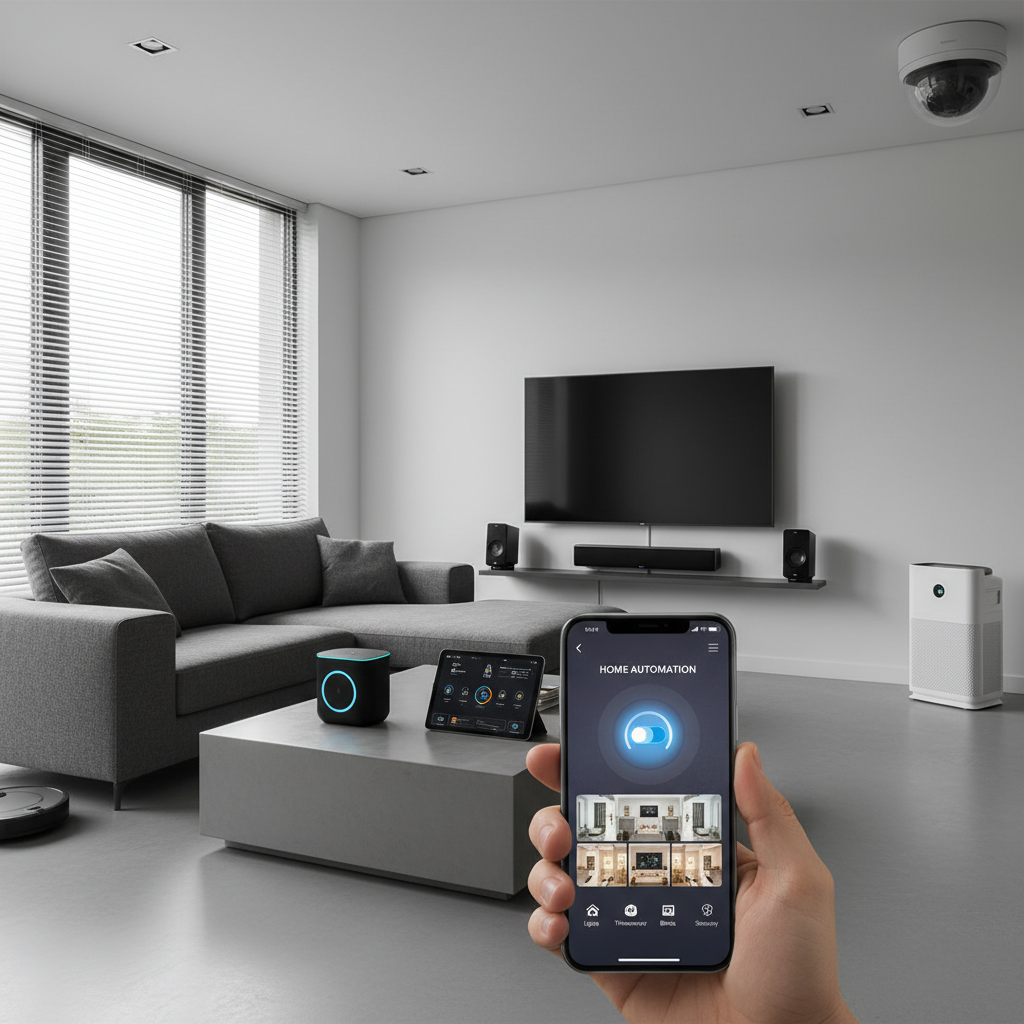
The Home Summary Widget delivers real-time updates and insights about your connected home environment directly to your Android device. The dynamic widget keeps you informed about package deliveries at your doorstep and alerts you if you happen to leave your lights on. The summarized information provides users with reassurance and helps them manage their homes more effectively.
The innovative Home Summary Widget is presently in a testing phase which involves only a small selection of Pixel phones. Google plans to extend the reach of its Labs program soon which will enable more users to test the feature and share useful feedback.
Google remains reserved about a general public release at this time and has not committed to any specific launch date. Google’s strategy demonstrates dedication to extensive testing procedures and refinement before launching wider deployments.
Google advises developers interested in testing new APIs and helping develop Google Home’s ecosystem to subscribe to its smart home developer newsletter. Subscribers will receive regular updates so they stay informed about the upcoming early access program for these new features launching later this year.
The message is clear: Google is actively developing its smart home ecosystem while also encouraging developers to participate in crafting the future of intelligent living. Under Gemini leadership and with a new emphasis on open standards Google Home is ready to provide everyone with a more intuitive and automated experience that transforms homes into truly smart environments.