- calendar_today August 25, 2025
Public or Private? The 2025 Global Tug-of-War Over Education Quality
The educational divide between public and private institutions will undergo heightened global evaluation in 2025. People worldwide and in the USA National 1 question what constitutes quality education and who receives access to it because tuition costs rise, public funding remains inconsistent, and digital education continues to advance.
Middle-income households in London, Nairobi, New Delhi, and São Paulo are selecting budget-friendly private institutions. Rural communities have access only to public educational institutions. The educational change goes beyond selection preferences because parents see private schools as offering superior education.
According to the Global Education Observatory’s 2025 report, parents in developing nations believe private educational institutions deliver superior discipline, better resources and better academic results by 72%. Numerous experts contend that statistical information fails to demonstrate the complete situation.
Dr. Lina Mercier states, “Paris’s education policy analyst, inconsistent government funding of public institutions creates a trust crisis. Quality education stems from various sources beyond branding practices and tuition fees”.
What’s Behind the Perception Gap?
Big public educational establishments must manage diversified student populations with limited monetary resources. The public education teacher workforce has better qualifications but is straddled with strict protocols and inadequate pay. Private educational institutions offer them superior facilities, smaller classes and speedy incorporation of digital technology. Still, the method of instruction used by private schools is under scrutiny in that their teachers are not adequately prepared, and their emphasis is on exam preparation.
Finland and Canada’s public education funding model makes private schools unappealing to their citizens. Prosperous parents all over Pakistan, Nigeria, and Brazil strive for social mobility by enrolling their children in private schools, notwithstanding limited financial resources and an insufficient public school system.
Private schooling is of little interest in Finland and Canada, where public education is generously financed. However, in Pakistan, Nigeria, and Brazil, the perception of private schools as a means of upward mobility is taken for granted since public education grapples with recurrent infrastructure challenges.
“The realm of technology emerges as an arena for conflict.”
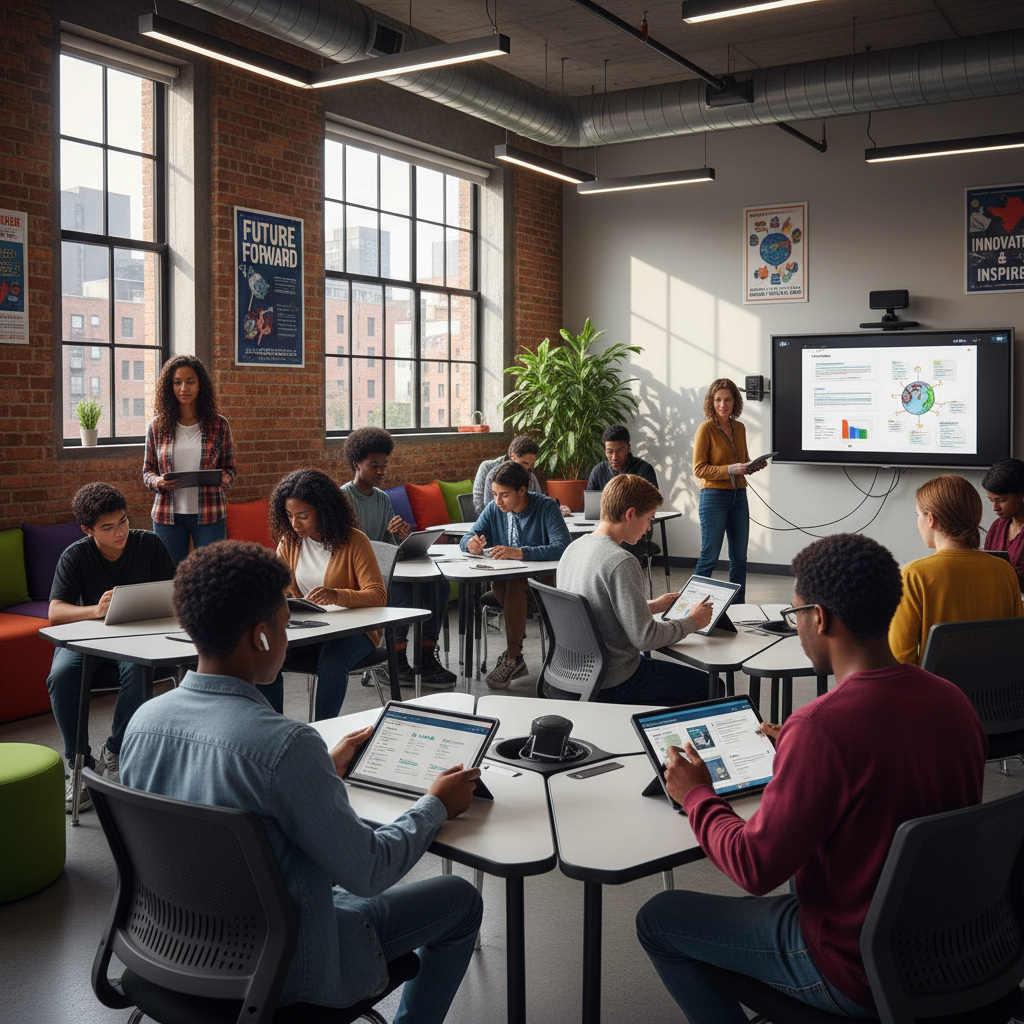
Virtual classrooms and AI-conducted educational materials have spread across high-class schools, widening the gap between public schools struggling with budgets and those private schools loaded with cash. Students’ use of real-time learning dashboards serves as a demonstration for Munira Khan, who also reveals that some public schools lack sufficient internet connectivity.
What Matters for Student Success in 2025
Based on findings from UNESCO’s 2025 research, student performance demonstrates no clear relationship with tuition fees. Successful students mostly stem from institutions that believe in supporting teachers and engaging in community activities, rather than schools that teach students methods to use when answering examination questions.
Some authorities are developing assessment standards that determine education and healthcare performance. Chile and South Africa’s implementation of quality assurance rules is a model for ensuring private schools meet essential standards.
How the Debate Unfolds in the USA National 1
In the USA National 1, the struggle between public and private education regarding this country reflects the world struggle. Urban families are gaining sea of looking for reasonably priced private learning centres, while public is massive enough for rural masses. Local experts point out that the given changes to teacher training and infrastructure could change parental preferences. In fact, high tuition fees coupled with digital inequality are the major concerns, thus equitable reform is one of the most important issues for regional policymakers in 2025.
What’s the decision?
The educational scene in 2025 is characterized by accessibility issues in private education institutions, a lack of resources in the public system, and exemplary pedagogic measures in the public system.
Future education debates will stay active, but equity, investment, and system reform commitments will dictate educational change based on the distinction between public and private.