- calendar_today April 24, 2026
In a significant move affecting the energy landscape across National 1 (USA), President Trump has extended the Jones Act waiver for another 90 days, starting May 18, 2026. This extension, aimed at reducing fuel prices amid the ongoing Iran conflict, marks a continued effort by the federal government to stabilize national and global energy markets.
The Jones Act and Its Implications on U.S. Shipping
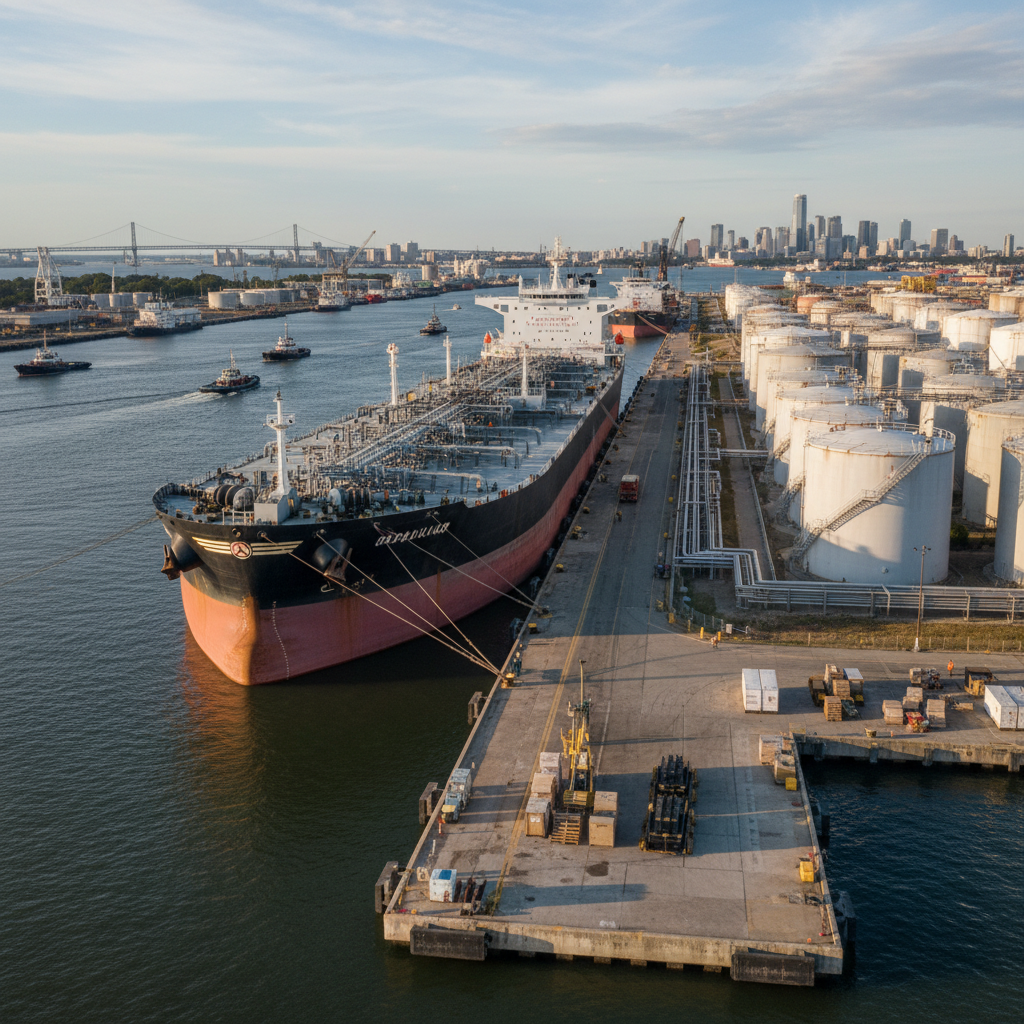
The Jones Act, a century-old maritime law, mandates that goods transported between U.S. ports shipping routes must sail on vessels built, flagged, and crewed by Americans. The policy, originally designed to protect the nation’s domestic shipping industry, has long stirred debate regarding its impact on oil shipping and energy prices. The current waiver suspends these requirements temporarily, enabling more diverse vessels to operate between domestic ports.
Impact of the Initial Waiver
The first 60-day waiver, issued in March, allowed more than 40 international tankers to deliver oil between U.S. ports, expanding shipping capacity by over 70%. This resulted in more than 9 million barrels of American oil entering the domestic market, with some analysts noting a modest dampening of rising fuel prices. According to the Trump administration, the expanded waiver is intended to provide further stability for both American families and global economies during continued supply disruptions.
Stakeholder Opinions Divide on Policy Extension
Supporters argue the Jones Act requirements increase shipping costs and are ill-suited for today’s globalized energy sector. They highlight how the waiver’s flexibility has improved market responsiveness, particularly during crises linked to the Iran conflict. However, groups such as the American Offshore Maritime Association warn that extended waivers threaten the viability of the domestic shipping industry without meaningfully reducing gasoline prices for consumers.
Broader Energy Crisis Response
This latest waiver complements a series of federal actions launched after the Iran conflict escalated, which disrupted key global oil shipping lanes. The White House also authorized strategic releases from the Strategic Petroleum Reserve and eased certain sanctions on Russian oil to offset market volatility. Despite these efforts, price pressures remain sensitive to geopolitical developments, especially with the strategic Strait of Hormuz—a key global transit point for petroleum—still at risk from the prolonged conflict.
Regional and National Outlook
For National 1 (USA), securing energy supplies and containing energy costs remain paramount. Local refineries and transportation hubs rely heavily on a consistent flow of crude and refined products, making shipping flexibility essential. The decision to extend the jones act waiver is viewed by some regional energy analysts as necessary, though many in the shipping community continue to call for a balanced approach that safeguards both economic efficiency and American maritime jobs.
Looking Ahead: Global Shipping and Policy Debates
While the current waiver is scheduled for 90 days, ongoing debates over the Jones Act’s future are expected to intensify, especially if tensions in the Persian Gulf persist. Energy experts agree that reopening major maritime chokepoints like the strait of hormuz will be critical to alleviating further shocks to fuel prices and global oil shipping. As the expiration date for the current waiver approaches, stakeholders across National 1 (USA) will be closely monitoring both diplomatic developments and Washington’s next steps on domestic shipping regulations.