- calendar_today May 18, 2026
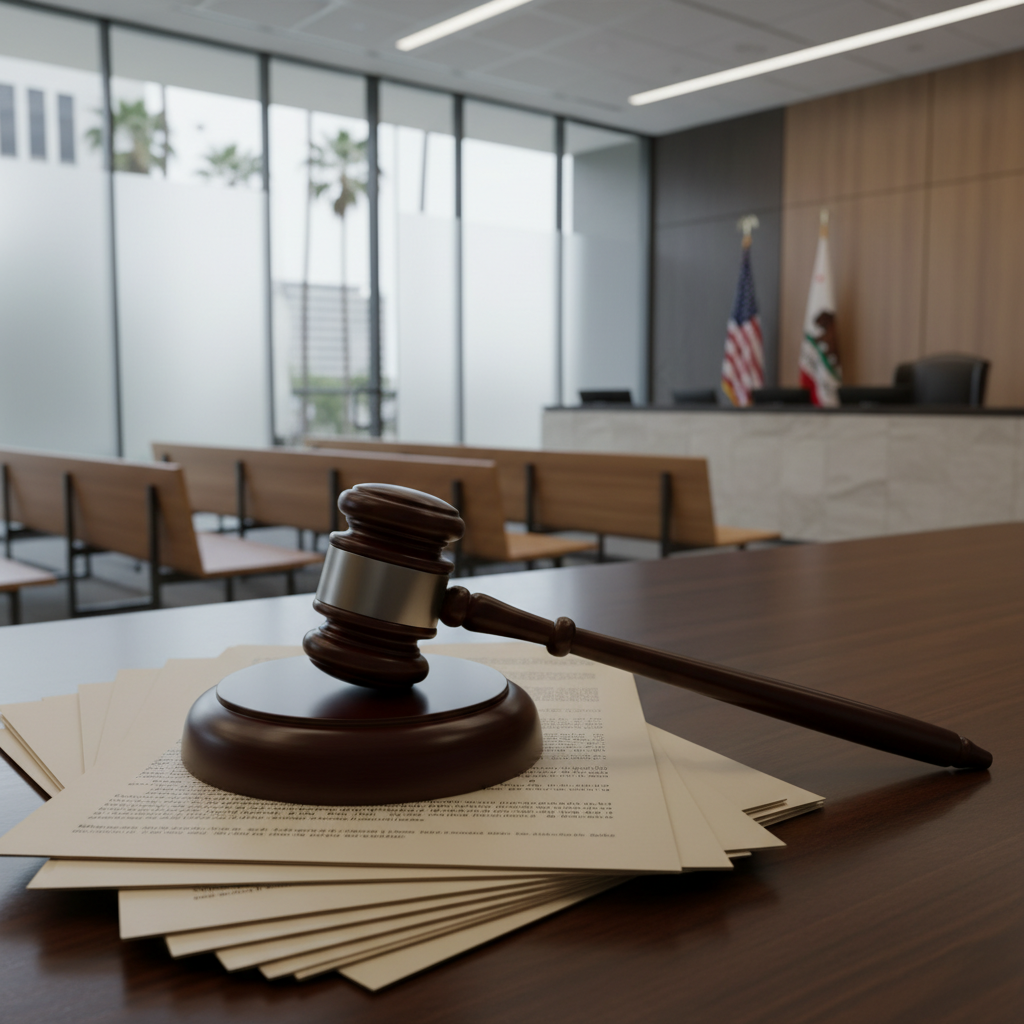
National 1 (USA)—A high-profile Elon Musk lawsuit against OpenAI and CEO Sam Altman was unanimously dismissed this week by a California jury, which found the case failed due to missing the required statute of limitations. The decision marks a significant legal victory for OpenAI, reinforcing how procedural factors can outweigh substantive claims in the evolving field of artificial intelligence litigation.
Jury Decision Focuses on Timing, Not Merits
The jury determined that Musk’s claims, which sought $150 billion in damages and the removal of Sam Altman from OpenAI’s leadership, were time-barred. The window for filing such claims—three years under California law—had expired, leading to the swift dismissal of this openai lawsuit. Although Musk argued that OpenAI breached its original nonprofit commitments, the court did not weigh in on those substantive issues due to procedural constraints.
OpenAI and Sam Altman’s Defense
During the trial, Sam Altman and other OpenAI executives addressed the challenges surrounding ai company governance and clarified the nonprofit’s evolving structure. Altman defended decisions made over the company’s for-profit expansion, emphasizing that value generated by the openai for profit subsidiary ultimately supports the nonprofit’s mission. Attorneys for the defense argued that Musk’s claims were strategically motivated, designed to undermine a major competitor in the artificial intelligence sector.
Musk’s Allegations and the Road to Court
Musk’s central complaint was that OpenAI abandoned its founding vision as an openai nonprofit, evolving into a highly valuable for-profit enterprise. He alleged that the transformation, coupled with the lucrative microsoft partnership, contravened the company’s original charter. Musk’s requests included financial damages and immediate changes to OpenAI’s executive leadership to safeguard ethical development and organizational integrity. Testimony from both parties provided rare insights into the internal workings and philosophy of leading U.S. artificial intelligence research institutions.
Microsoft and Industry Impact
Microsoft, a key OpenAI collaborator, welcomed the dismissal, stating that it upheld the principles of fair competition and innovation. The outcome of the legal dispute was closely watched by industry insiders and stakeholders, especially considering its potential ramifications for the anticipated openai ipo. Market analysts noted that eliminating this legal uncertainty bolsters OpenAI’s positioning as it readies for public listing, further stabilizing investor sentiment in National 1 (USA).
Broader Questions for AI Company Governance
This decision highlights the complexities facing the artificial intelligence sector as ai company governance and transparency become increasingly scrutinized. The verdict may establish precedents for future disputes over transitioning from nonprofit to for-profit models, an issue relevant to tech startups nationwide. Observers in National 1 (USA) point to the importance of clear charters, strong board oversight, and robust legal strategies in avoiding similar litigation risks.
Lasting Implications for the Region and Sector
While the elon musk lawsuit centered around procedural issues rather than the viability of Musk’s grievances, its resolution underscores the pivotal role timing can play in major corporate litigation. Institutions and technology leaders throughout National 1 (USA) are likely to draw lessons on fortifying governance structures, adhering to nonprofit commitments, and ensuring compliance with the statute of limitations when engaging in future business disputes. The outcome reinforces the dynamic interplay between innovation, regulatory compliance, and effective oversight in maintaining both public trust and operational growth across the rapidly advancing field of artificial intelligence.