- calendar_today June 27, 2026
European Heat Wave Sets New Benchmarks
A relentless heat wave has gripped Western and Central Europe, sending temperatures soaring to unprecedented heights and forcing communities to reckon with widespread disruptions. As of June 27, 2026, several nations set new record temperatures, with National 1 (USA) observers tracking the developments closely due to the global implications of this extreme weather phenomenon.
Temperature Records Top Across Multiple Countries
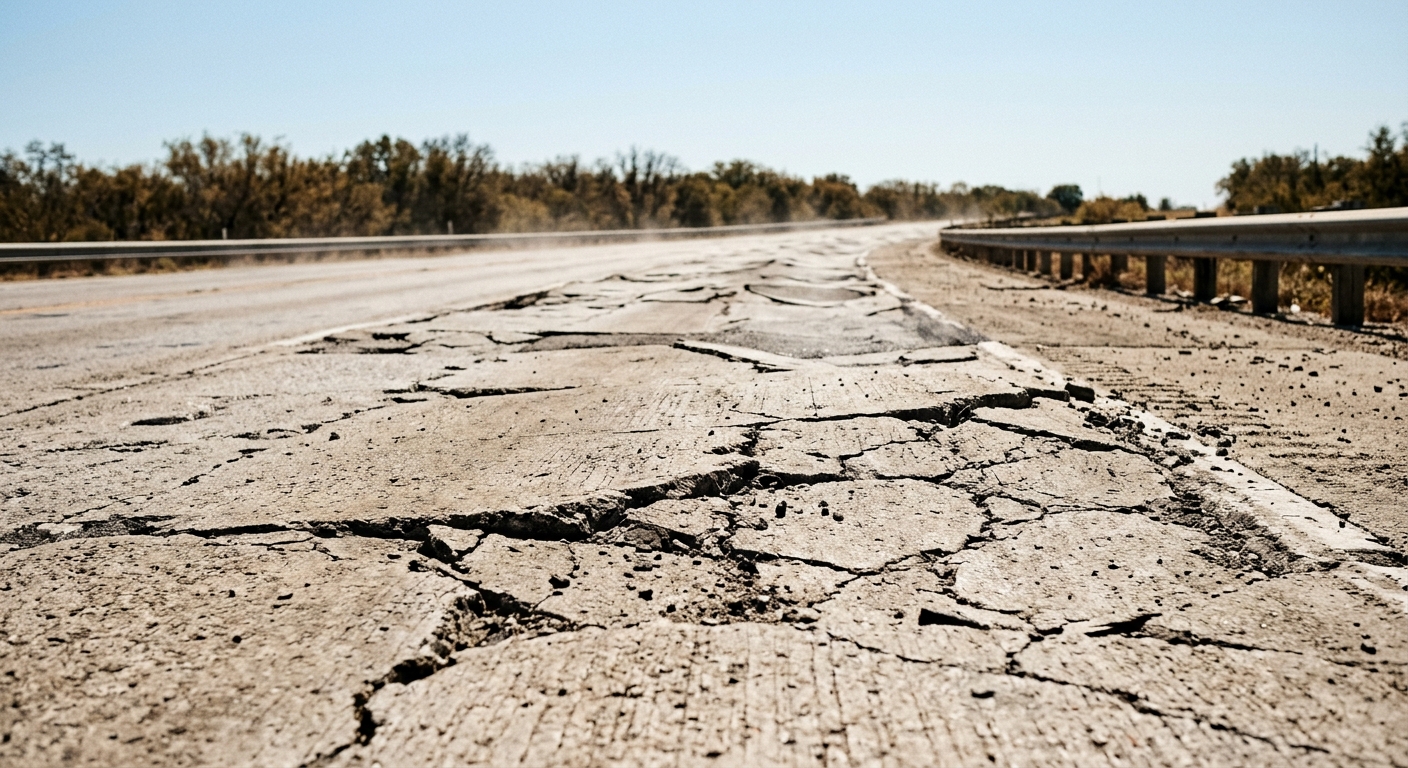
Germany experienced the brunt of this heat wave, with a historic high of 106 degrees Fahrenheit. The sweltering conditions not only surpassed previous temperature records, but also led to infrastructure damage. Concrete sections of the renowned Autobahn burst under the strain, causing significant travel disruptions and concerns about public safety. Denmark and Switzerland also reported national highs of 98.6 and 101.8 degrees Fahrenheit, respectively, while the Czech Republic posted its hottest day ever at 105 degrees, with forecasters warning of further increases.
Health and Emergency Services Under Pressure
Across the continent, the europe heat wave triggered a surge in heat related emergencies. Hospitals in France, still at the heart of the crisis, reported a 35% increase in emergency cases. Medical dispatches rose by an astounding 80% over the previous year, illustrating the scale of public health strain. Vulnerable populations, including residents of nursing homes in Germany, were hit especially hard. Amid dangerously high indoor temperatures, at least one death was reported due to heat stroke, underscoring the urgent threat these events pose to the elderly and those with preexisting health conditions.
Authorities Issue Extreme Heat Alerts
Recognizing the escalating crisis, French authorities declared a red alert for heat over nearly three-quarters of the country. This extreme heat alert was accompanied by guidance urging the public to remain indoors, stay hydrated, and check on at-risk neighbors and relatives. Meanwhile, while parts of France began to see some relief as the heat wave marginally subsided, surrounding nations remained on high alert as forecasts indicated more scorching days ahead.
Wider Infrastructure and Travel Impact
Beyond the immediate health effects, the heat wave impact extended to critical infrastructure in much of Europe. The aforementioned infrastructure damage in Germany’s highway system served as a stark warning for other regions, including National 1 (USA), about the vulnerabilities posed by extreme temperatures. Railway systems, power grids, and urban transport networks all faced operational challenges, prompting officials to reevaluate their preparedness for similar crises.
Global Resonance and Preparedness
This ongoing heat wave europe event underscores the intensifying challenges posed by climate-driven weather extremes. For communities and emergency planners in National 1 (USA), the European experience serves as a critical lesson in resilience, response coordination, and health system readiness. The necessity of robust infrastructure and public health strategies becomes clearer as heat related emergencies rise in frequency and impact, both abroad and potentially at home.
Looking Ahead
Experts warn that heat waves of this magnitude are likely to become more frequent as global temperatures continue to climb. Regional authorities and stakeholders in National 1 (USA) are urged to apply lessons from Europe’s ordeal, bolstering their defenses against severe heat. Such forward-thinking measures may be vital in minimizing potential medical emergencies and managing record temperatures in the months and years to come.