- calendar_today August 17, 2026
In National 1 (USA), the expanding network of Flock Safety cameras has ignited a national conversation about surveillance, privacy, and the use of tracking technology. Promoted as a tool to help law enforcement find stolen vehicles and missing persons, flock safety cameras have become both an asset in solving crimes and a lightning rod for surveillance concerns.
License Plate Tracking Technology and Its Reach
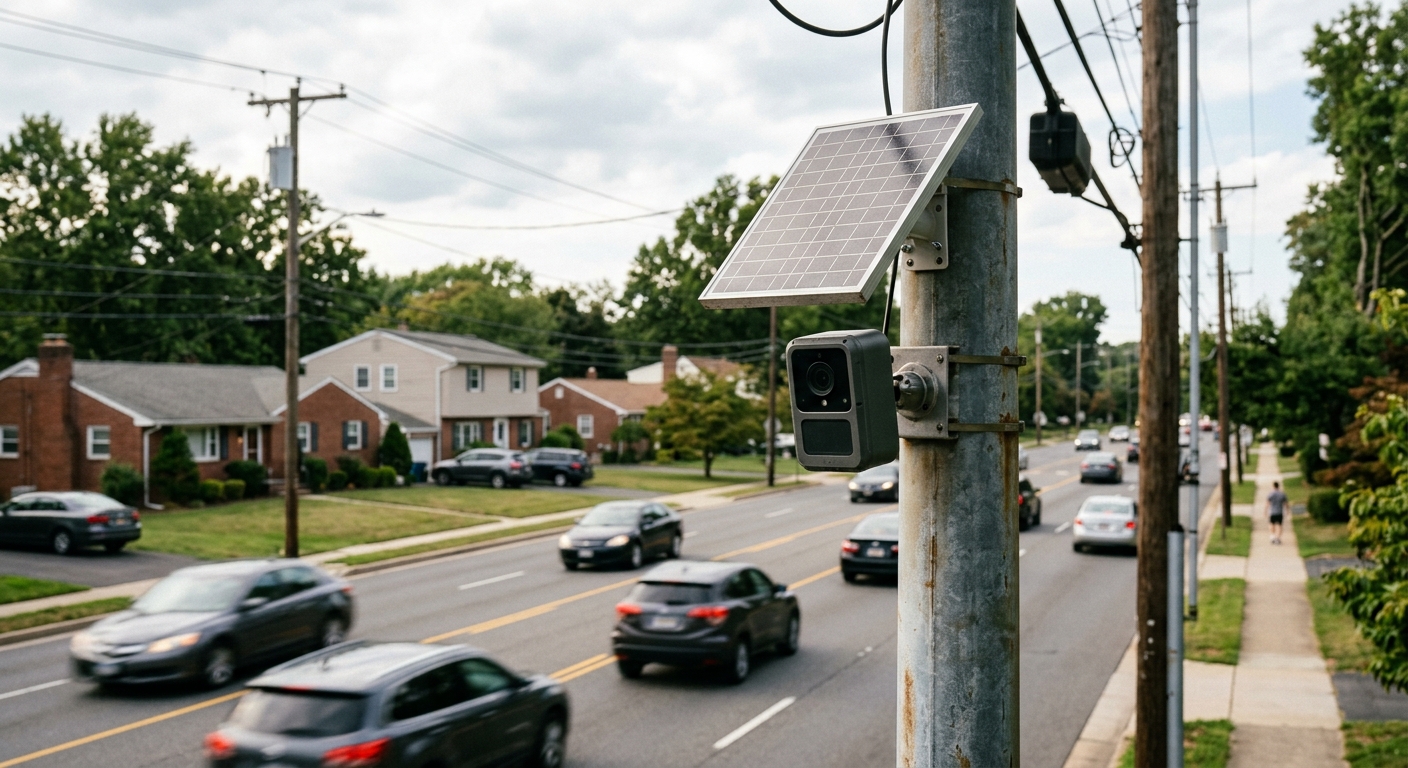
Flock Safety operates one of the nation’s most extensive systems of automated license readers, capturing license plates and vehicle details across thousands of locations. These camera networks supply real-time data to law enforcement use agencies, neighborhood associations, and some private organizations. In many communities throughout National 1 (USA), flock safety cameras are credited with aiding in rapid suspect identification and timely recovery of stolen property, highlighting the effectiveness of license plate tracking as crime-fighting infrastructure.
Recent Controversy Over Camera Misuse
However, the rapid adoption of this tracking technology has not come without challenges. Recent investigative reports have uncovered instances of camera misuse, including law enforcement officers accessing data for unauthorized activities such as personal stalking. These revelations have raised significant privacy issues, sparking intensified debate about the appropriate boundaries for surveillance and data oversight.
Flock Safety’s Response to Privacy Issues and Surveillance Concerns
In response to the growing scrutiny, Flock Safety CEO Garrett Langley addressed the public’s surveillance concerns and reiterated the company’s commitment to responsible use. Langley stressed that flock safety cameras do not employ facial recognition or cellphone tracking technologies, refuting common pieces of misinformation. He also outlined steps intended to reduce data misuse, such as enhanced monitoring and clear audit trails of all data access, in hopes of restoring trust with communities impacted across National 1 (USA).
Promoting Accountability Through Public Databases
To further curb privacy issues and boost data transparency, civic-minded technologists have launched independent resources like HaveIBeenFlocked.com. This public database lets motorists search to see if their license plate has been queried through Flock’s system. Drawing information from public audit logs, Have I Been Flocked currently includes more than 4.6 million license plate records. Although its data is not real-time and may exclude certain searches, the tool equips the public with insights into the frequency and scope of law enforcement use of flock cameras.
DeFlock and Mapping Surveillance Infrastructure
Alongside HaveIBeenFlocked.com, projects like DeFlock have contributed to the ongoing transparency effort by mapping out Flock camera locations nationwide. Such platforms highlight the rapidly growing footprint of automated license readers in both urban and suburban environments, fueling further discussion about the balance between technological innovation, public safety, and the potential for camera misuse.
Community Responses and the Ongoing Debate
Many residents in National 1 (USA) and civil liberties organizations have voiced ongoing concerns. The proliferation of public database resources and mapping sites reflects a call for more robust data transparency and community input on surveillance infrastructure. While some regional police departments and neighborhood groups emphasize the efficient recovery of stolen vehicles and safe returns of missing individuals through tracking technology, advocates argue for stronger oversight to prevent unauthorized access and shield personal information from misuse.
The Future of Surveillance Networks in the USA
As the conversation around flock safety cameras and surveillance concerns continues, the need for clear policies and public awareness remains urgent. Flock Safety’s new safeguards and the efforts of independent accountability initiatives suggest a growing demand for responsible data handling and open dialogue. The implications for privacy, technological progress, and community trust remain central as National 1 (USA) navigates the complex relationship between crime prevention and individual rights.