
- calendar_today October 9, 2026
Celebration Marks Reconstruction of the First Baptist Church of Williamsburg
The First Baptist Church of Williamsburg, regarded as one of the nation’s oldest Black churches, marked a significant milestone as congregants and residents gathered on Friday to celebrate its reconstruction. The event was a re-dedication of the original church, which was first established in 1776 by enslaved and free African Americans in defiance of laws that forbade their assembly.
A Landmark in African American History
The roots of the First Baptist Church run deep into African American history and the broader narrative of the United States. The original congregation, inspired by faith and determination, built their first meeting house in 1805—called the African Baptist Meeting House—using recycled bricks and materials. Despite facing legal barriers and racial oppression, the church community persisted. A tornado destroyed the church in 1834, and it was rebuilt in 1856. However, a century later, the building was cleared by the Colonial Williamsburg Foundation and replaced with a parking lot to match the 18th-century aesthetic popular at the time.
Rediscovery and Reconstruction
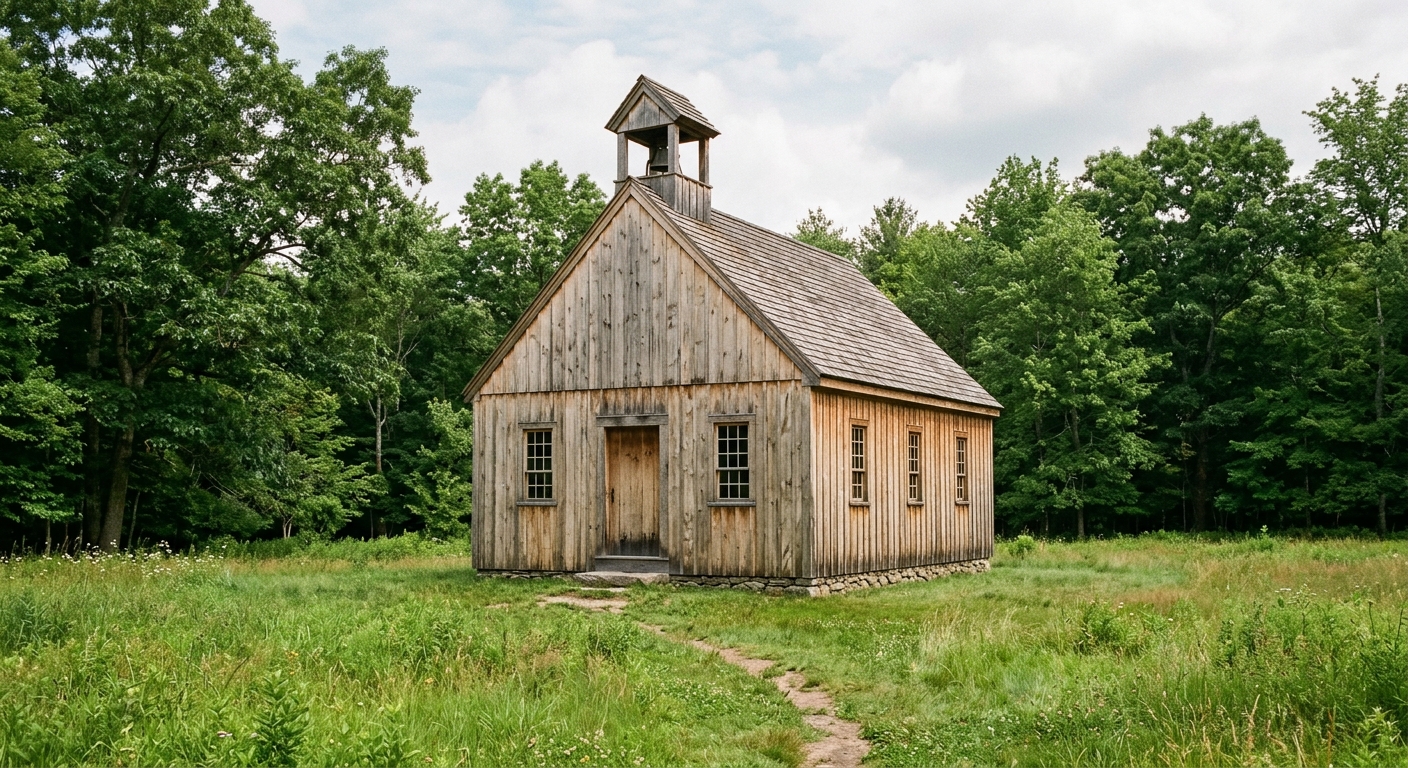
In 2021, archaeologists uncovered the original church foundation along with 62 graves tied to former congregants, reviving interest in the site’s remarkable heritage. This archaeological discovery brought to light stories that oral tradition had preserved in the local community. Now, the reconstructed church stands at its original 16-foot by 32-foot footprint, with efforts made to faithfully honor its historic character. Pine and white oak woods were used, and details such as half-round brick steps were meticulously recreated. Modern adaptations—including HVAC, a refreshed altar table, handblown glass windows, and an ADA-accessible ramp—were added to serve the current community.
A Reclamation of Narrative and Black Heritage
Friday’s re-dedication celebration opened with a symbolic procession and musical performances by the Nassau Street Remembrance Choir. Pastor Reginald F. Davis of the First Baptist Church offered an invocation, followed by speeches from Virginia state Senator Mamie Locke and James Ingram, a long-time museum interpreter who portrays Gowan Pamphlet, a key early leader of the church. Ingram described Pamphlet as a forerunner to influential figures like Frederick Douglass and Martin Luther King Jr.—a symbol of continued pursuit for equality and faith-centered activism in Black American communities.
Pastor Davis reflected on the church's origins during the era of the Declaration of Independence, emphasizing that Black history is integral to American history. Community engagement manager Janice Canaday of the Colonial Williamsburg Foundation echoed the significance of the moment, calling it a reclamation of both heritage and narrative for the congregation and broader community.
Church Archaeology and Restoration Efforts
The process of church archaeology—guided by oral tradition and confirmed by physical evidence—played a pivotal role in both the discovery and restoration of the African Baptist Meeting House. Jennifer Wilkoski, director of architectural preservation and research at Colonial Williamsburg, recounted how ancestral stories about burials behind the church proved instrumental in the site’s exploration. DNA and bone analyses connected three sets of remains to the meeting house’s early congregation, giving recognition to individuals once nearly forgotten.
The Colonial Williamsburg Foundation has worked to ensure the reconstructed church reflects its storied past. Choices about windows and interior features balanced historical accuracy with practical modern needs. For example, the use of restoration glass for windows, handmade in the style of the church’s original era, was selected to accommodate an air conditioning system, critical for Virginia’s climate.
Honoring the Legacy of Black Congregations
The restored First Baptist Church stands as a symbol of resilience, perseverance, and the enduring faith of Black congregations throughout history. As finishing touches near completion in the coming months, Pastor Davis and the current 215-member congregation see the new building as overdue recognition for generations striving toward equality and justice. The reconstructed historical church invites renewed attention to Black heritage and the foundational role of Black churches in shaping American society.
Source: abcnews.com.


