
- calendar_today October 19, 2026
Supreme Court Takes Up Home Distilling Case
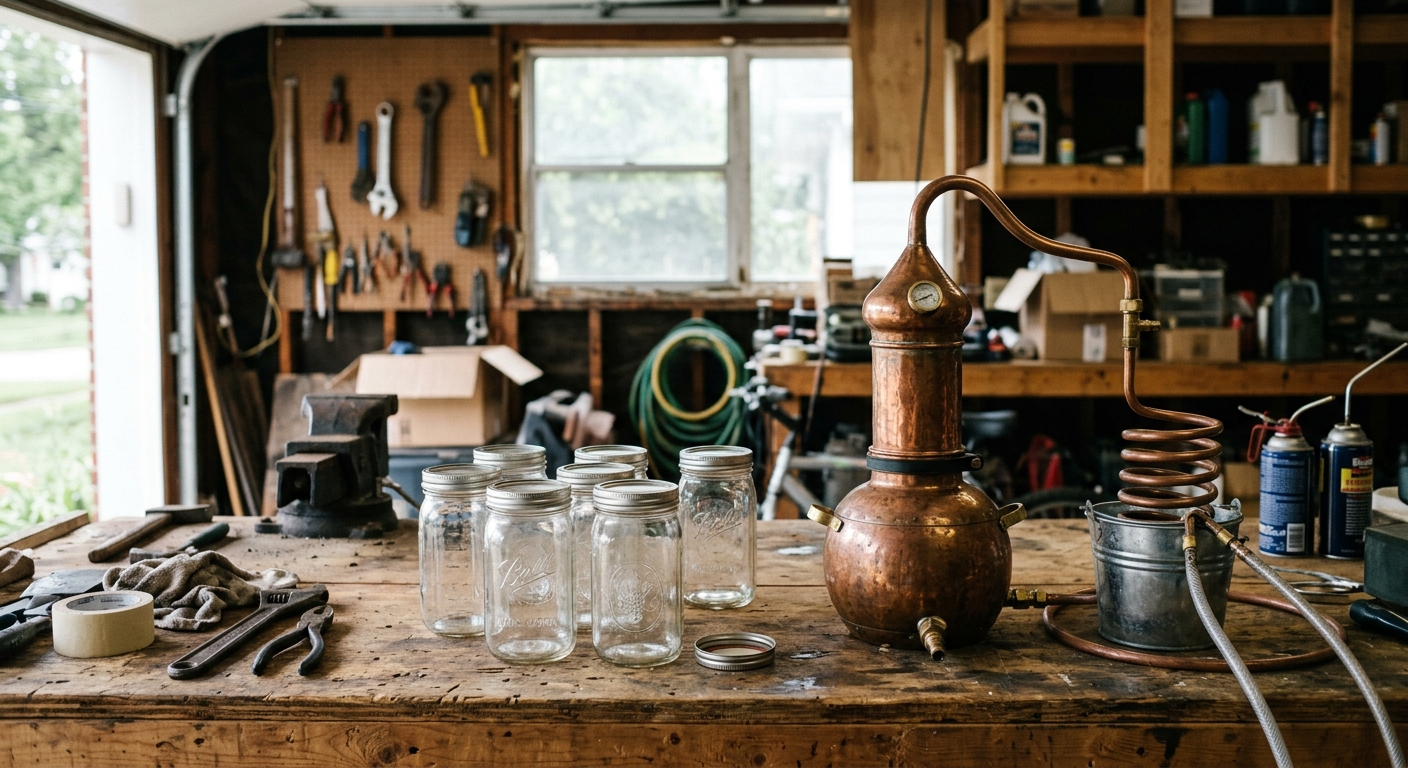
The U.S. Supreme Court announced it will hear a pivotal case that could determine the future of home distilling across the country. The case centers on whether to strike down a federal ban dating back to 1868, which currently outlaws the distilling of spirits in private homes.
Background: The 1868 Federal Ban and Its Significance
The federal ban on home distilling was enacted in 1868, aiming to counter tax evasion by individuals making spirits outside official channels. Under this law, distilling spirits in any dwelling or its surrounding structures remains illegal, with violations subject to up to a $10,000 fine and a maximum of five years in prison. Despite the prohibition, interest in home spirit production, including whiskey and gin, has persisted among enthusiasts.
Challengers and Their Arguments
The main challengers to the ban include the Hobby Distillers Association and several of its members. Scott McNutt, who has used a still at home for fuel alcohol, and Rick Morris, a business owner manufacturing stills for home use, are among those contesting the law. The group filed their lawsuit in Texas after federal Alcohol and Tobacco Tax and Trade Bureau officials denied their requests for distilling licenses due to the federal restriction.
Challengers claim that Congress exceeded its constitutional taxing power with the 1868 law, arguing it imposed a blanket ban that did not result in any direct revenue. In a similar challenge from Ohio, John Ream, a would-be distiller, made related claims.
Conflicting Lower Court Rulings
The two cases led to opposing decisions in federal appeals courts. The 5th U.S. Circuit Court of Appeals in Texas sided with the challengers, while the 6th U.S. Circuit Court of Appeals in Ohio upheld the federal government's position. These conflicting rulings set the stage for Supreme Court intervention to establish nationwide clarity.
Government Defense and State Variances
Defending the ban, Solicitor General D. John Sauer argued that Congress has the authority to regulate activities subject to taxation and control their locations, especially when tax compliance is uncertain. For decades, only home wine and beer production has been allowed without penalty, while distilling spirits remains strictly controlled.
Some states have legalized home distilling in recent years, such as West Virginia's legalization in 2024. However, these measures do not override the federal ban, reflecting a situation similar to marijuana laws, where federal prohibitions persist despite state action. Legislation has also been proposed in Congress to repeal the federal restrictions altogether.
Potential Consequences of a Ruling
Should the Supreme Court rule in favor of the challengers, home distillers would still be obligated to register their stills and pay excise tax on any spirits produced for personal consumption. Advocates for hobby distillers hope the removal of criminal sanctions will lift a longstanding threat, while opponents emphasize the importance of maintaining federal oversight to ensure proper tax collection and regulation.
The Supreme Court's decision is expected to have wide-reaching implications for the legality and regulation of home spirit production nationwide.
Source: nbcnews.com.


