
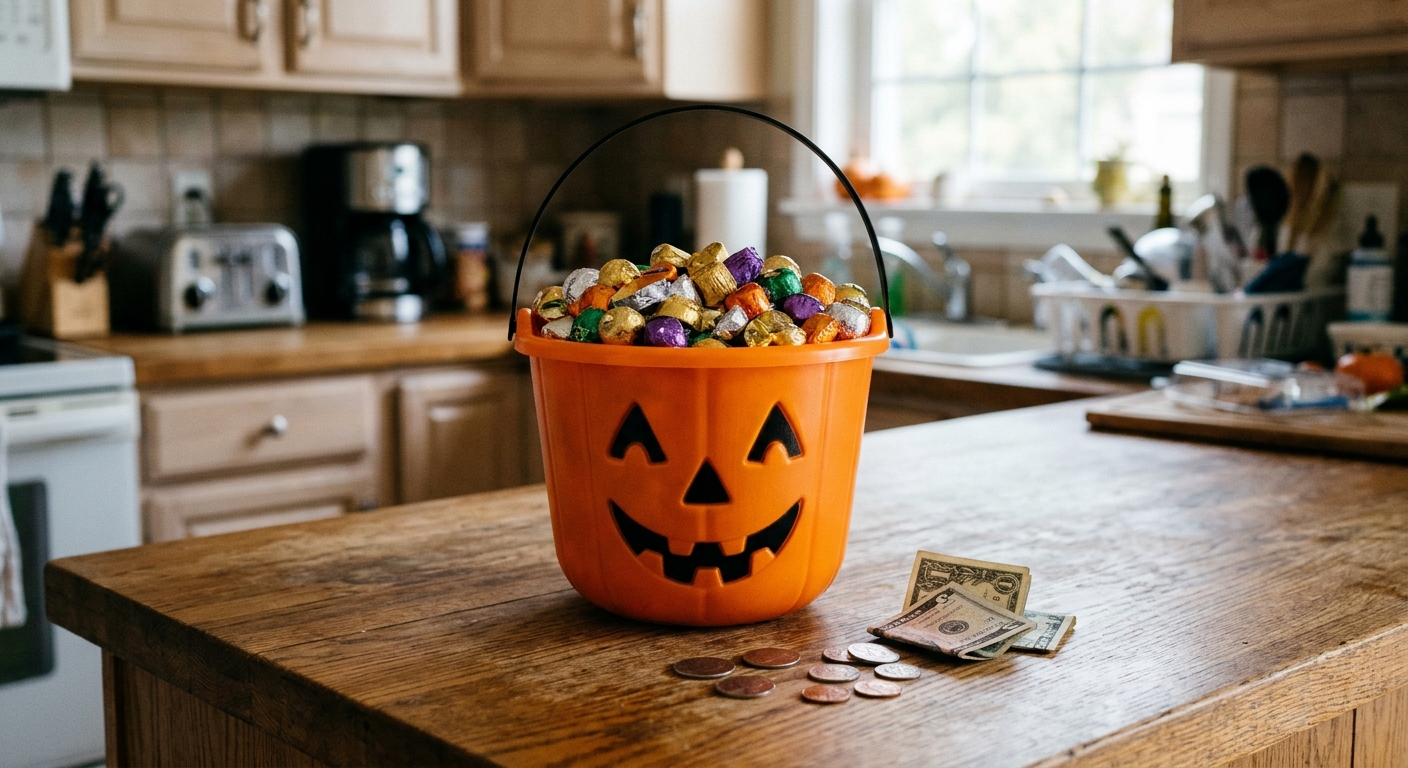
AI-generated illustration; not a photograph of the reported event.
- calendar_today October 26, 2026
Halloween Spending Hits a Record High
Americans are set to spend a record $13.5 billion on Halloween in 2026, according to the National Retail Federation (NRF). Despite rising prices for candy, costumes, and decorations, consumers are projected to spend $400 million more than last year and $1.9 billion more than in 2024. The average person expects to spend about $263, with parents typically spending the most as they shop for multiple events and family members. A recent WalletHub survey found that two-thirds of Americans believe Halloween has become too expensive.
Rising Costume Costs and Their Causes
Costume prices are climbing due to increased transportation and fulfillment expenses, according to Cortland Hickey, general manager of Chicago Costume. Higher fuel costs, diesel prices, and standard tariffs—now fully integrated into product pricing—are all contributing factors. Shoppers who leave costume purchases to the last minute risk paying extra for expedited shipping or receiving items after Halloween. Online shopping for costumes is down this year, with 27% of consumers planning to shop online, compared to 31% in 2025, according to the NRF.
Candy Prices Surge Ahead of Halloween
Candy prices are also on the rise as Americans are projected to spend $4.1 billion on treats. Data from the Wells Fargo Agri-Food Institute shows chocolate prices are up 8% compared to last year. FinanceBuzz reports that a 100-piece bag of assorted Halloween candy averages $16.96 in 2026, a 3.5% increase from 2025 and 71% higher than in 2021. Major candy makers have raised their prices: Mondelez increased gummy candy pack prices by 39%, and Ferrero raised chocolate pack prices by nearly 19%.
The Cocoa Market and Ingredient Changes
The increases stem partly from lingering effects of the global cocoa market. While cocoa prices have eased from their highs in 2024 and 2025, many candy makers are still using cocoa bought during the price spikes, so shoppers have yet to see relief. Most of the world’s cocoa supply comes from Ghana and Côte d'Ivoire, countries hit by heat waves and heavy rains in 2025, driving shortages and price hikes. Although the U.S. removed certain tariffs on cocoa in November, higher tariffs earlier contributed to increased costs.
To manage costs, candy producers have replaced some traditional ingredients in chocolate with less expensive alternatives like vegetable oil. Federal regulations require milk chocolate to contain at least 10% cocoa mass and solids. Candies with 2% or less cocoa—such as Butterfinger, Rolo, and Almond Joy—are labeled as "Chocolate Candy." Hershey’s faced public criticism in 2026 for altering its Reese’s recipe in limited-edition candies, leading the company to pledge a return to original recipes by 2027.
Strategies for Managing Halloween Costs
Consumer behavior is shifting as a result of higher prices. Phil Lempert, editor of the Lempert Report, suggests searching online for better deals on candy, noting platforms like Amazon may offer savings. Shoppers are encouraged to compare prices by piece or by pound, as some chocolate assortments can be nearly twice as expensive as gummy candy packs.
Cortland Hickey recommends consumers prioritize purchasing costume elements like wigs, specialty makeup, or props rather than full prepackaged outfits, as these items are harder to improvise but can help reduce overall costs. About half of shoppers started Halloween shopping in September or earlier, according to the NRF, allowing them to spread out spending and seek the best prices.
Looking Ahead: The Impact of Climate Change and Costs
Rising prices are expected to continue in the coming years, driven by factors including climate change’s effect on cocoa crops and persistent high shipping costs. Phil Lempert predicts that holiday costs will climb through 2027 and likely into 2028, underscoring the changing landscape for holiday shoppers.
Source: cbsnews.com.


