
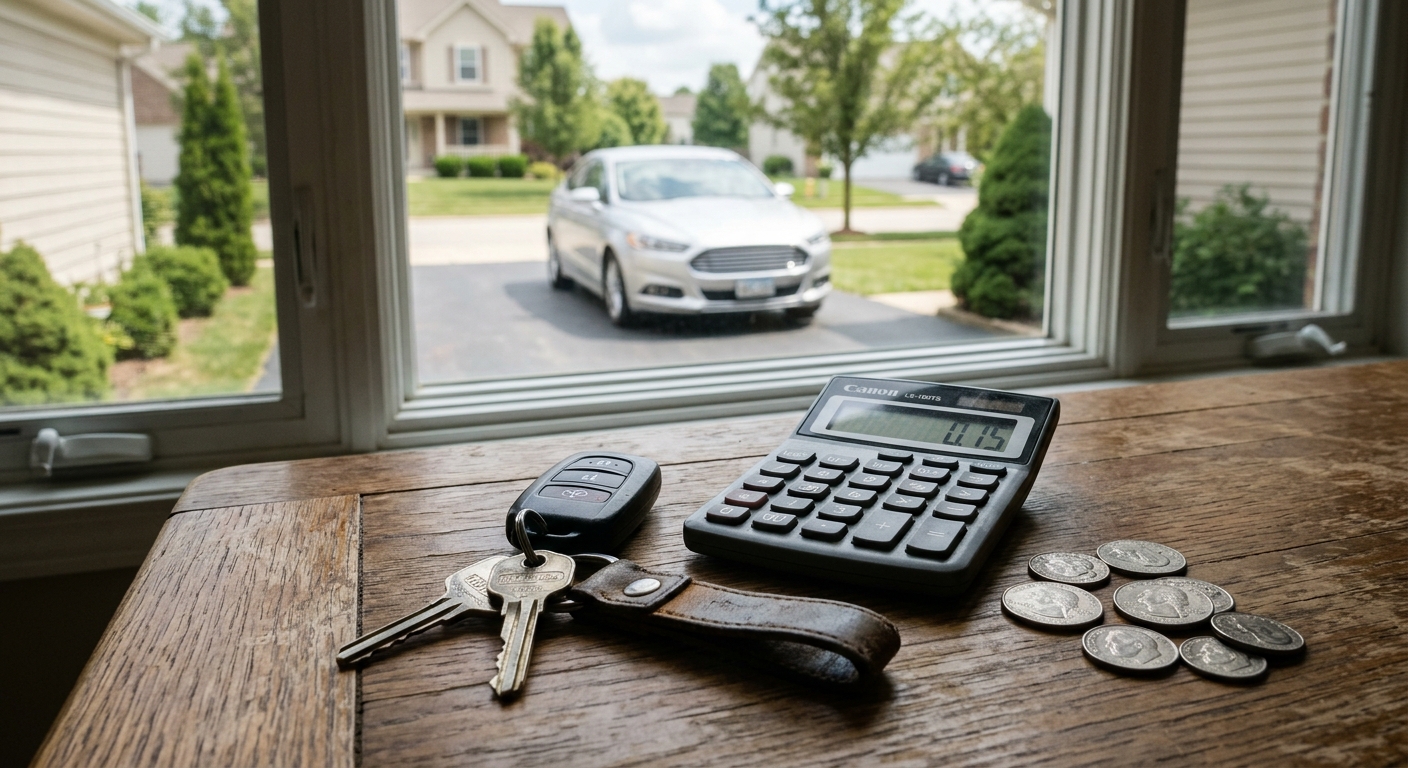
AI-generated illustration; not a photograph of the reported event.
- calendar_today November 9, 2026
Car Insurance Premiums Continue to Climb
Even the most careful drivers are facing higher car insurance costs. Recent years have seen steep increases in premiums, leaving many policyholders paying more for the same level of coverage. These increases have come alongside rising expenses in other areas of daily life, such as housing and groceries. While insurance companies have always adjusted rates periodically, the current pace and scale of these increases are a growing financial concern for drivers across the United States.
Factors Contributing to Higher Insurance Premiums
Several interconnected factors are pushing car insurance prices higher, many of which are beyond drivers' immediate control. Understanding why insurance costs are increasing can help policyholders make informed decisions about their coverage options.
1. Increasing Vehicle Repair Costs
Modern vehicles often feature advanced technology—such as backup cameras, collision sensors, and sophisticated driver-assistance systems—which can be expensive to repair or replace. Labor costs and parts have also become pricier in recent years. As insurers pay out more for vehicle repairs, those costs are reflected in higher insurance premiums for consumers.
2. Higher Medical and Liability Claims
After an accident, insurer expenses extend beyond vehicle repairs. Medical treatment, rehabilitation, and legal settlements also contribute to higher claim costs. When these costs rise—particularly in areas where liability settlements are growing—insurance companies often respond by raising premiums to compensate.
3. Weather Risks and Vehicle Theft
Destructive weather events like flooding and hailstorms can lead to spikes in car insurance claims. Even drivers who have not experienced weather-related damage themselves may see higher premiums if insurers adjust rates to reflect increased regional risks. Likewise, increases in vehicle theft or local accident rates can affect insurance costs, sometimes even by moving to a different ZIP code.
4. Insurer Adjustment to Prior Losses
Although the surge in premium rates has slowed in some markets, insurers are continuing to adjust for past years' high expenses. These adjustments do not immediately reverse as economic conditions change, which means some elevated premiums may persist for drivers depending on their location, type of coverage, and insurer.
Practical Steps Drivers Can Take to Manage Insurance Costs
While many insurance premium factors are outside an individual's control, there are still ways to secure better rates and manage coverage efficiently without sacrificing important financial protection.
Compare Quotes from Multiple Insurers
Different insurance companies assess risk in various ways, which can result in wide discrepancies in quoted premiums for the same driver and coverage. Requesting quotes from at least three providers and ensuring equivalent liability limits, deductibles, and optional coverages are compared can help drivers identify potential savings. It's important to judge by total policy cost rather than just the monthly payment.
Review Coverage and Deductibles Regularly
As vehicles age and decrease in value, policyholders should consider whether comprehensive or collision coverage remains financially worthwhile. Raising deductibles can reduce premiums, but increases out-of-pocket responsibility if a claim occurs. Drivers are advised not to lower liability coverage solely to cut costs, as this could risk inadequate financial protection.
Ask About Policy Discounts
Most insurers offer discounts for various reasons, including bundling policies, maintaining a clean driving record, driving fewer miles, or completing defensive driving courses. Some also offer usage-based insurance programs that track driver behavior—these may lead to savings for some, though they may also increase premiums based on driving patterns.
Improve Controllable Factors
A consistently clean driving record can help lower premiums over time. In states that use credit-based insurance scores, improving credit may also reduce costs. Policyholders should ensure that their stated annual mileage, listed drivers, and other details are accurate when renewing a policy.
The Bottom Line
While it is unlikely that car insurance prices will decrease significantly in the near future, drivers are not powerless. By comparing quotes, carefully reviewing coverage needs, and taking advantage of discounts, policyholders can potentially offset some of the industry-wide increases. The goal is to find a policy that offers both necessary protection and affordable rates, rather than simply choosing the lowest price available.
Source: cbsnews.com.


