
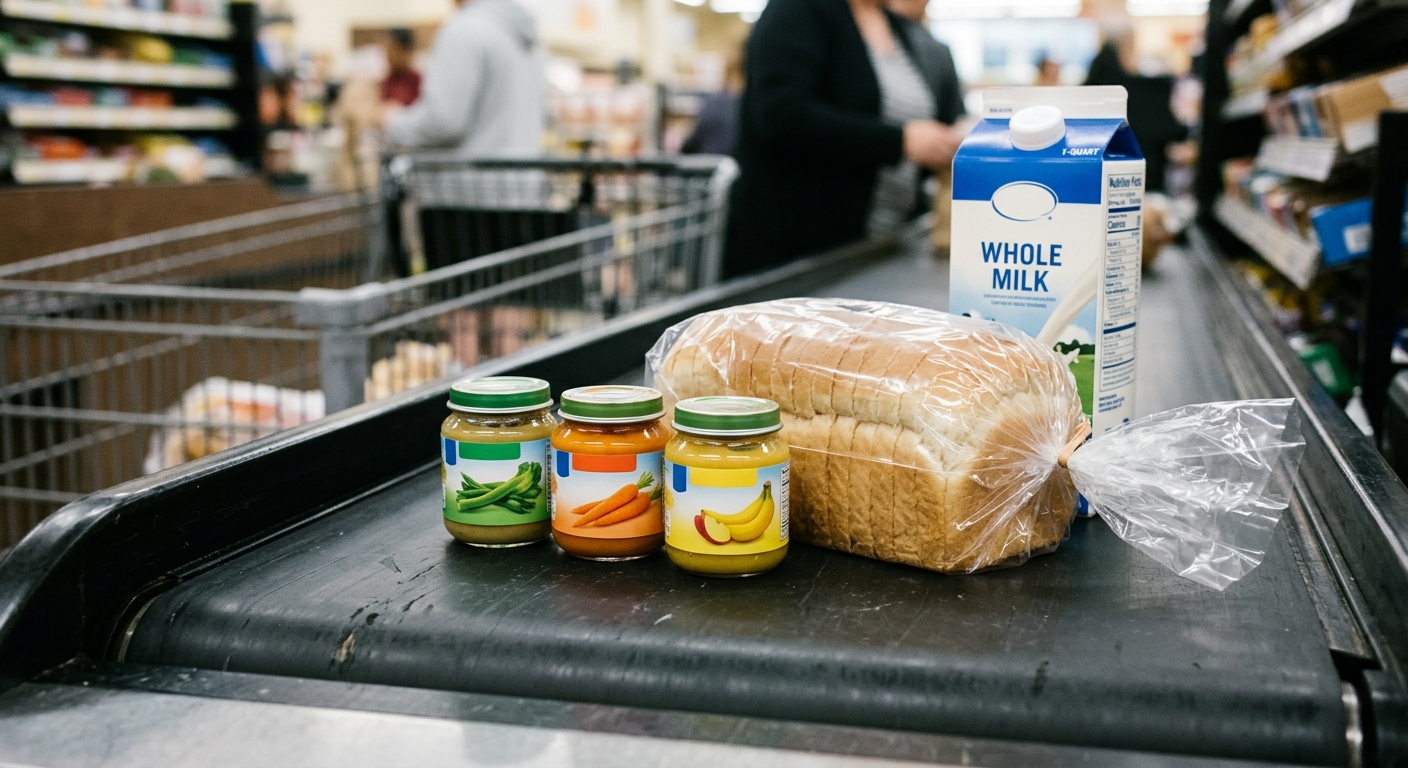
AI-generated illustration; not a photograph of the reported event.
- calendar_today November 10, 2026
October Sees Slower Inflation Growth as Gas Prices Drop
New data from the Bureau of Labor Statistics (BLS) shows that consumer prices in the United States rose 0.4% in October, a slightly slower pace than the 0.6% increase recorded in September. The cooling was largely attributed to declining gas prices, which provided some relief after a year of persistently high costs.
Gas Price Relief Drives Slight Improvement
According to the motor club AAA, average national gas prices dropped from $4.41 per gallon at the start of October to $4.18 by month’s end—a more than 5% decline. However, the BLS reported that the overall gas price index still climbed by 1% in October, despite the fall in unleaded prices. Home heating oil rose 2% and electricity prices increased by 0.9% over the same period. Notably, diesel fuel prices remained a significant concern, standing 70% higher than at the start of the year, impacting transportation costs and contributing to broader inflationary pressures.
Grocery and Essential Item Costs Continue to Climb
While inflation's overall pace slackened, several consumer categories recorded substantial monthly increases. Grocery prices experienced their steepest rise since April. The price of baby food and infant formula saw its largest ever increase, growing by 5.1% in October. Dairy, fruits and vegetables, hospital services, vehicle insurance, and airfares all posted sizable gains. Meanwhile, the "food away from home" category, which covers restaurant and takeout meals, increased by 0.5%.
Core Inflation and Energy Price Effects
Core inflation—which excludes volatile food and energy prices—rose by 0.3% from September, matching its increase for the third consecutive month. Economists noted that the higher-than-expected core inflation figures indicate that surging energy costs could be spilling over into broader areas of the economy. The increase in diesel prices was singled out as a major driver, as it raises transportation costs that eventually affect the prices of goods on store shelves—including groceries.
Policy Reactions and Interest Rate Outlook
Top White House officials acknowledged that inflation remains troubling, with Chris Phelan, chairman of the White House Council of Economic Advisers, calling the figures "not a good number" and "a cloud over the economy." Kevin Hassett, director of the National Economic Council, described the BLS release as "a disappointing report."
The Federal Reserve’s handling of interest rates is closely linked to ongoing inflation data. Fed Governor Christopher Waller, speaking at a central banking conference in London, noted before the report’s release that a 0.3% or higher increase in core inflation could justify a 50 basis point rate hike in December—an action not seen since 2022. Rising Treasury yields following the inflation data signaled the potential for higher borrowing costs, including for mortgage loans.
Market Response and Economic Outlook
In reaction to the inflation report, U.S. Treasury yields climbed, and stocks dipped in early trading before leveling out. The slightly cooled inflation provided limited relief, but continued broad-based price increases in essentials and services point to ongoing financial pressures for consumers as the holiday shopping season approaches.
Related coverage
Source: nbcnews.com.


