
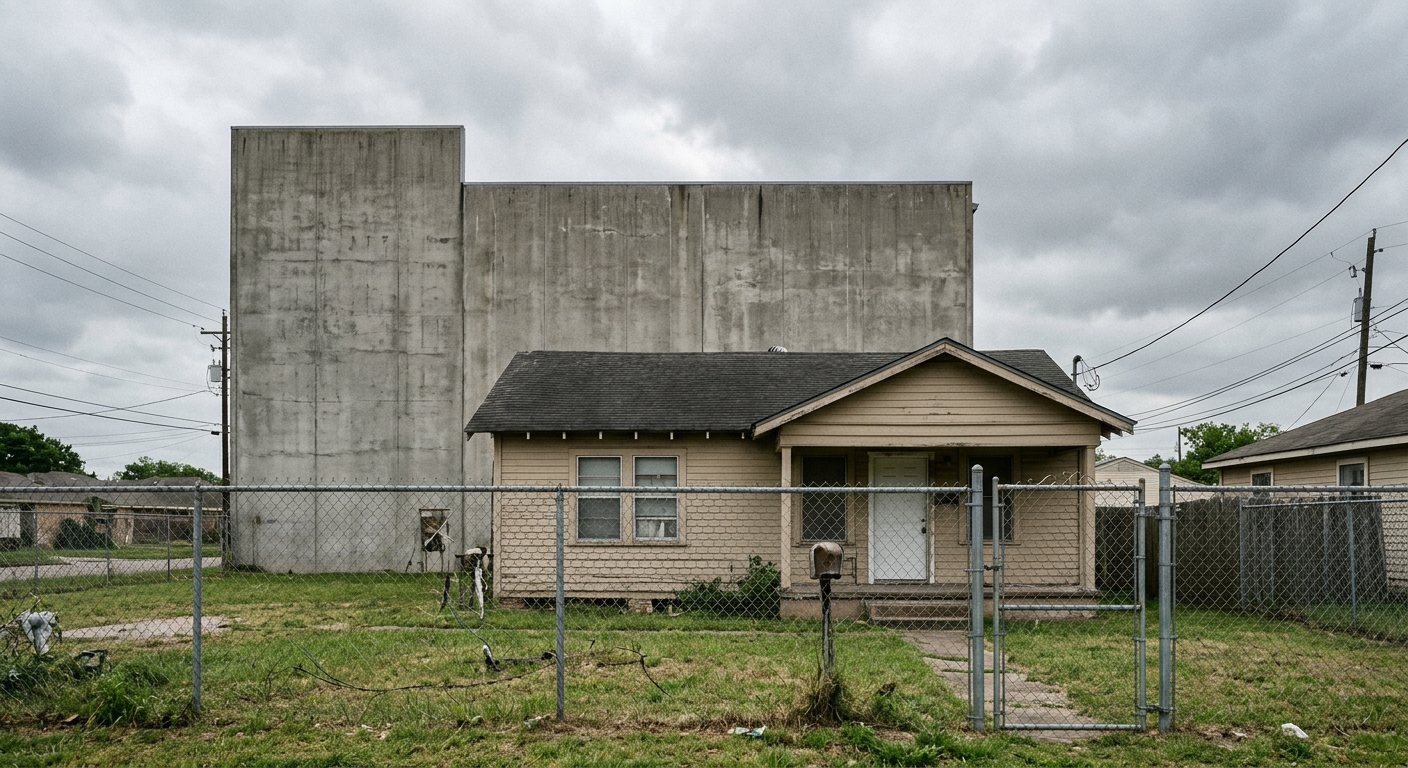
AI-generated illustration; not a photograph of the reported event.
- calendar_today November 23, 2026
Data Centers Proliferate in Black Communities With Little Public Input
Zakiya Mabery was shocked to learn a $2 billion data center was set to rise just minutes from her home in Augusta, Georgia. The massive Project Eisenhower, approved in 2022 without a public hearing, marked the latest in a national trend where major data infrastructure appears in majority-Black neighborhoods—often finalized before residents can weigh in.
Public Hearings Rarely Held in Communities of Color
In the rapidly increasing data center boom, majority-Black communities are more than twice as likely as majority-white counterparts to host such facilities, yet they are far less likely to be notified or given a chance to voice concerns. Data from Harvard University’s "Zoned Out" tool shows that, on average, areas granted a public hearing ahead of construction are nearly 80% white. In contrast, communities lacking hearings are roughly 60% people of color. When public hearings do occur, two-thirds of projects are blocked; without hearings, 80% are approved.
Environmental and Health Impacts Linked to Data Center Expansion
Critics argue that these data centers extend a pattern of environmental racism. Local residents face increased pollution, including elevated PM 2.5 air particulates, which Black Americans die from at higher rates than any other group in the United States. Associated health effects include respiratory and cardiovascular illness, asthma, strokes, and cancers. Additionally, America’s largest data centers generate about 25.7 million metric tons of carbon dioxide emissions per year—surpassing the annual emissions of countries like Kenya and Guatemala.
The Federal Role and Zoning Laws
Federal policy under the Trump administration directed agencies to exempt data centers from environmental review and to reduce opportunities for public comment, aiming to accelerate AI infrastructure amid competition with China. The effect, according to researchers, intensifies historic disparities. Communities of color are not only statistically more likely to live in areas zoned for industrial use—due to segregation and redlining—but developers can exploit these zoning laws to bypass public notice and hearings, whereas projects in already industrial-zoned land tend to face less scrutiny.
Economic Benefits Unequally Distributed
While industry proponents tout job creation and increased tax revenues, research led by Dhanaraj Thakur at George Washington University Law School and American University highlights how economic rewards are skewed. Major campuses by tech giants such as Meta, Google, and Microsoft typically direct property tax revenues and community benefit agreements to majority-white neighborhoods, marginalizing communities of color that host the facilities but receive fewer benefits. Furthermore, Black workers are significantly underrepresented among AI and data center jobs—making up just 7% of AI workers despite being 13% of the population, according to available data.
Community Opposition and Media Coverage
Despite bearing environmental and social burdens, Black communities have often been excluded from both the opportunity to oppose projects and the national narrative about data center resistance. Media attention has disproportionately highlighted opposition in majority-white communities, where organizing resources and political influence are greater. In Augusta, the local board of commissioners implemented a temporary moratorium on data center development in 2023, but the $2 billion Project Eisenhower continues as an exception. Residents, like Mabery, continue to demand respect and representation.
Researchers Challenge a Nationwide Pattern
The joint study from university researchers finds these racial disparities persist even when controlling for economic factors, population density, and proximity to critical infrastructure. The result, experts argue, is systemic injustice as communities of color shoulder disproportionate environmental and economic burdens—often without meaningful input or reward. As the U.S. continues to expand digital infrastructure, demands grow for greater transparency, public hearings, and equitable distribution of both costs and benefits.
Source: abcnews.com.


