
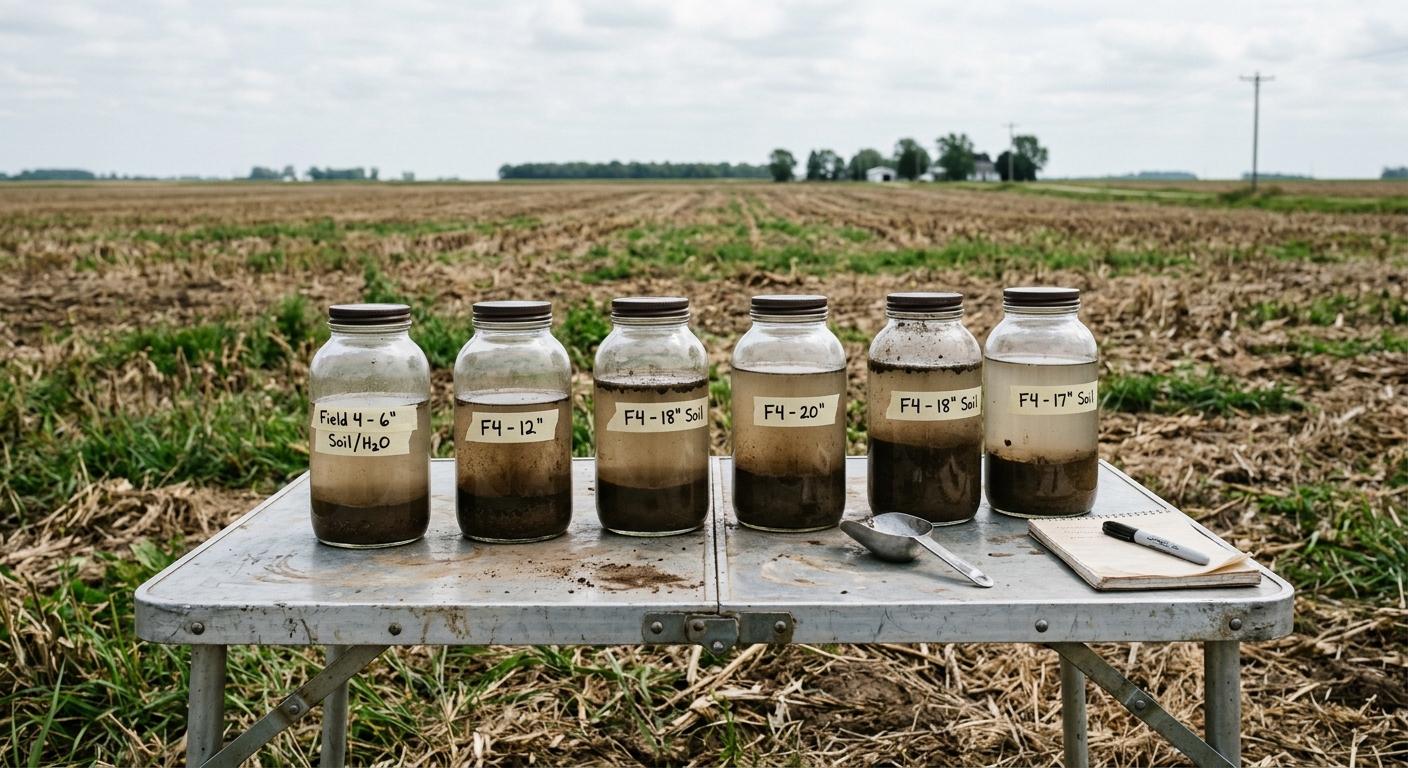
AI-generated illustration; not a photograph of the reported event.
- calendar_today November 27, 2026
EPA Awaits Testing Results After Iowa Explosives Detonation
The Environmental Protection Agency (EPA) announced on Thursday that it expects to receive the first laboratory results as soon as Friday following the controlled detonation of degrading explosives at the Iowa Army Ammunition Plant in Middletown. The detonation, carried out on Wednesday by the U.S. Army, involved five tons of deteriorating lead azide, a compound used in ammunition for over a century.
Extensive Environmental Sampling Conducted
In preparation for and following the detonation, the EPA collected over 1,500 samples from air, water, soil, and dust before the event and more than 1,000 additional samples afterward. These samples were sent to various EPA and private laboratories for detailed environmental testing. The agency stated that samples were gathered from more than 130 structures, including residences, schools, daycare centers, churches, parks, nearby farms, drinking water sources, and areas within the Mississippi River watershed.
No Airborne Lead Detected So Far
As of Thursday, no airborne lead had been detected in the surrounding region, according to the EPA. The agency is also performing tests to detect other compounds that could have been released during the explosives detonation. An EPA news release emphasized, “The agency is testing for everything we were anticipating could potentially be released as a result of the controlled detonation.”
Background of the Detonation Event
The controlled explosion at the Middletown plant addressed the storage of approximately 10,000 pounds of lead azide. The EPA noted that the material had become more sensitive to friction and shock over two decades in storage, increasing the risk of an unintentional and potentially hazardous explosion. The decision for a planned detonation followed safety considerations, although it was met with concern from local residents and environmental groups who feared the spread of toxic lead dust and potential public health risks.
Legal and Administrative Responses
In the days prior to the detonation, the 8th Circuit Court of Appeals temporarily halted the event while evaluating further legal challenges. On Monday, the court determined that the environmental groups seeking to block the detonation had not shown sufficient likelihood of success, clearing the way for the Army to proceed. The situation drew attention from the White House, sparking questions about chain-of-command communication within the Trump administration. President Trump later praised the operation, stating it had “exceeded expectations.”
Continued Monitoring and Public Health Assurance
The EPA continues to oversee environmental sampling and testing to ascertain any potential risks to public health and agriculture stemming from the explosive event. As results are expected soon, agency officials have reiterated their commitment to transparency and public safety, pending the full release of data from the ongoing analyses.
Related coverage
Source: cbsnews.com.


