- calendar_today August 12, 2025
Introduction
Former President Donald Trump’s new trade policy is creating a splash in the world’s financial markets, creating new volatility and economic uncertainty. With new attention to tariffs, trade restrictions, and economic nationalism, the new policies are affecting major industries, investor mood, and international affairs. As business leaders and investors react to them, the investment community prepares for more twists and turns in the coming months.
Market Response to Trump’s Shift in Trade Policy
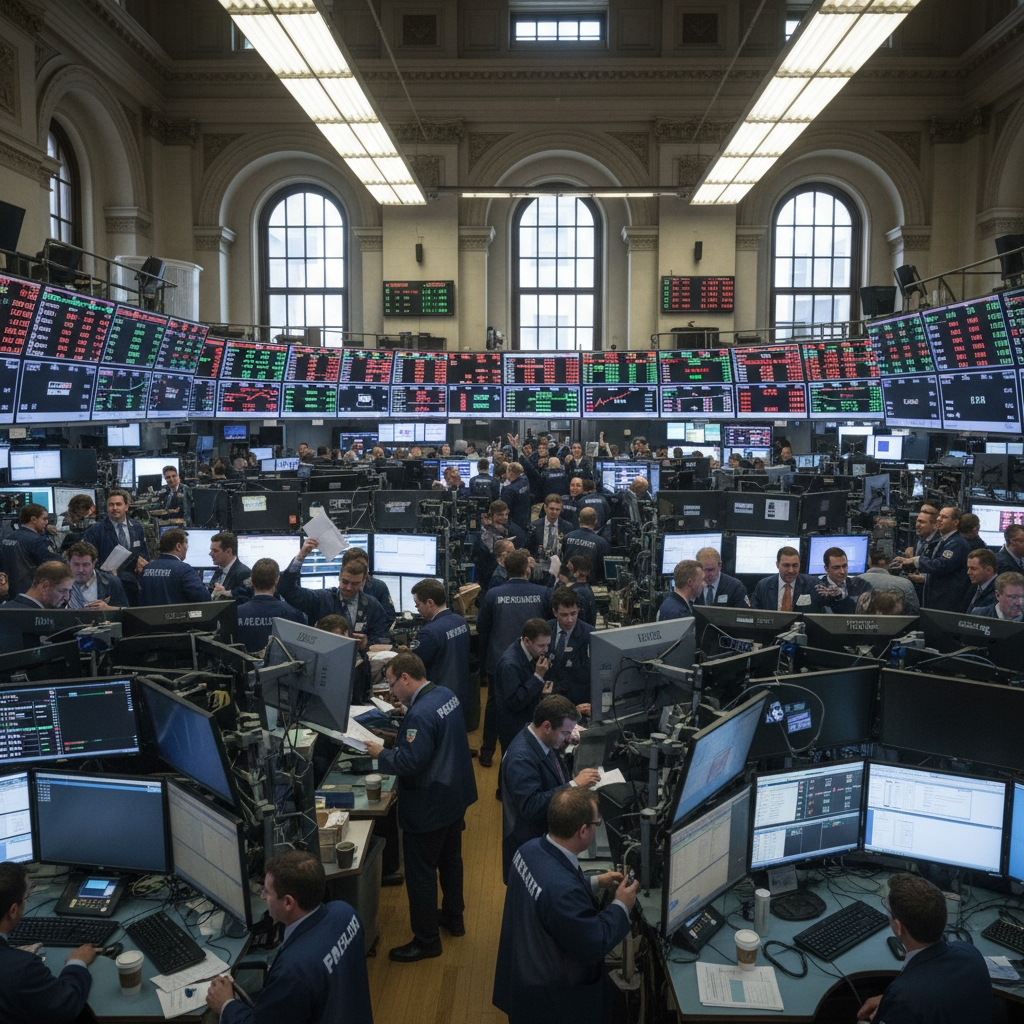
New trade policy pronouncements have spurred sharp action for major financial averages. Dow Jones Industrial Average, S&P 500, and Nasdaq all saw steep moves after Trump’s policy declaration.
Stock Market Volatility
Markets responded quickly to the uncertainty over higher tariffs on Chinese, Mexican, and European Union imports. While some industries, like local manufacturing, are encouraging under protectionist policies, others like technology and agriculture are under growing cost pressures.
Investors worry that escalating trade tensions would destabilize supply chains and increase costs, ultimately resulting in more disappointing corporate profits and reduced growth. The analysts are attributing this to reflecting the anxiety of the nervous market environment as investors remain on the sidelines.
Currency Fluctuations
Trump’s confrontational trade policy has also brought about currency volatility, mainly of the U.S. currency. With the rise in tariffs, the dollar could become stronger due to capital flights in a bid to seek safe havens. But perpetual trade tensions may ruin the long-term global reputation of the currency, leading to higher volatility.
Industries Directly Affected
Trump’s new trade practices impact numerous industries, some benefitting from the protection offered through domestic origins while others are hammered by increased costs and market shock.
Agriculture Sector Under Pressure
American farmers are among the most exposed to trade tensions. Increased tariffs on soybeans, corn, and pork have already led to reduced exports to foreign critical partners. Midwestern farmers are especially worried about lost revenue and supply chain disruption as retaliation originates from foreign markets.
Manufacturing Experiences Mixed Outcomes
The production industry will benefit from controls on importation, potentially contributing to increased local production. Still, increased prices of raw materials such as aluminum and steel are eating into profits. Firms utilizing global supply chains are battling to cover up these additional expenses without having to forward them to clients.
Technology Is Exposed to Supply Chain Vulnerabilities
The technology sector is under serious threat from increasing tariffs for Asian-origin components. Foreign semiconductors-foreign technology companies that are dependent on consumer electronics are preparing for increased costs and delays. The industry leaders are of the opinion that tensions between nations and trade could erode innovation and competitiveness.
Investor Sentiment and Future Projections
Investor sentiment remains vulnerable to risk as markets absorb the consequences of Trump’s trade agenda. Although some investors view such policies as a strategic move to save American jobs, others worry about sustained economic disruption and recession threats.
Flight to Safe-Haven Assets
As a measure against market risk, investors retain risk-free assets like currency, gold, and Treasury bills like the Swiss franc. This is as the world’s policies on trade are feared to trigger world deflation if tensions are not resolved.
Economic Growth Forecasts
The growth of GDP is slowed down by the economists when tensions remain between trade. Tariffs that are high cut back foreign trade, consumer buying, and investment by businesses, all strong stimulators in America’s economy.
Experts forecast that the final impact would hinge on negotiation between the U.S. and trading partners, primarily China and the European Union. Economic insecurity would spread faster unless imbalances are smoothened out.
Global Trade Relations in Upheaval
Trump’s trade policies are redefining global interactions and economic interdependence. America’s target markets are hitting back by charging their tariffs, increasing global tensions.
China’s Countermeasures
China, America’s largest trading partner, has also set its tariffs against America’s export goods such as agriculture and the automobile industry. The retaliatory response makes up the script of the trade conflict, but it also has its impact on global supply chains as well as on world market uncertainty.
European Union’s Retaliation
European Union retaliated with its own tariffs against American products such as whiskey, motorbikes, and agriculture products. The tit-for-tat is building up momentum and threatens to destabilize transatlantic trade.
What’s Next for the Markets?
As the world reacts to Trump’s new trade policy, nobody knows what will happen next. The most important events to watch out for are:
- Trade Negotiations: Any news on U.S.-China or U.S.-EU trade negotiations will calm markets.
- Federal Reserve Actions: Market experts feel that the Federal Reserve can react to economic uncertainty with monetary easing, which will calm markets.
- Global Economic Trends: Global long-term growth will be hostage to resolution or escalation of trade tensions.
Investors, policymakers, and consumers alike will be monitoring Trump’s evolving trade agenda, aware of its sweeping implications on world markets and financial stability.