- calendar_today August 10, 2025
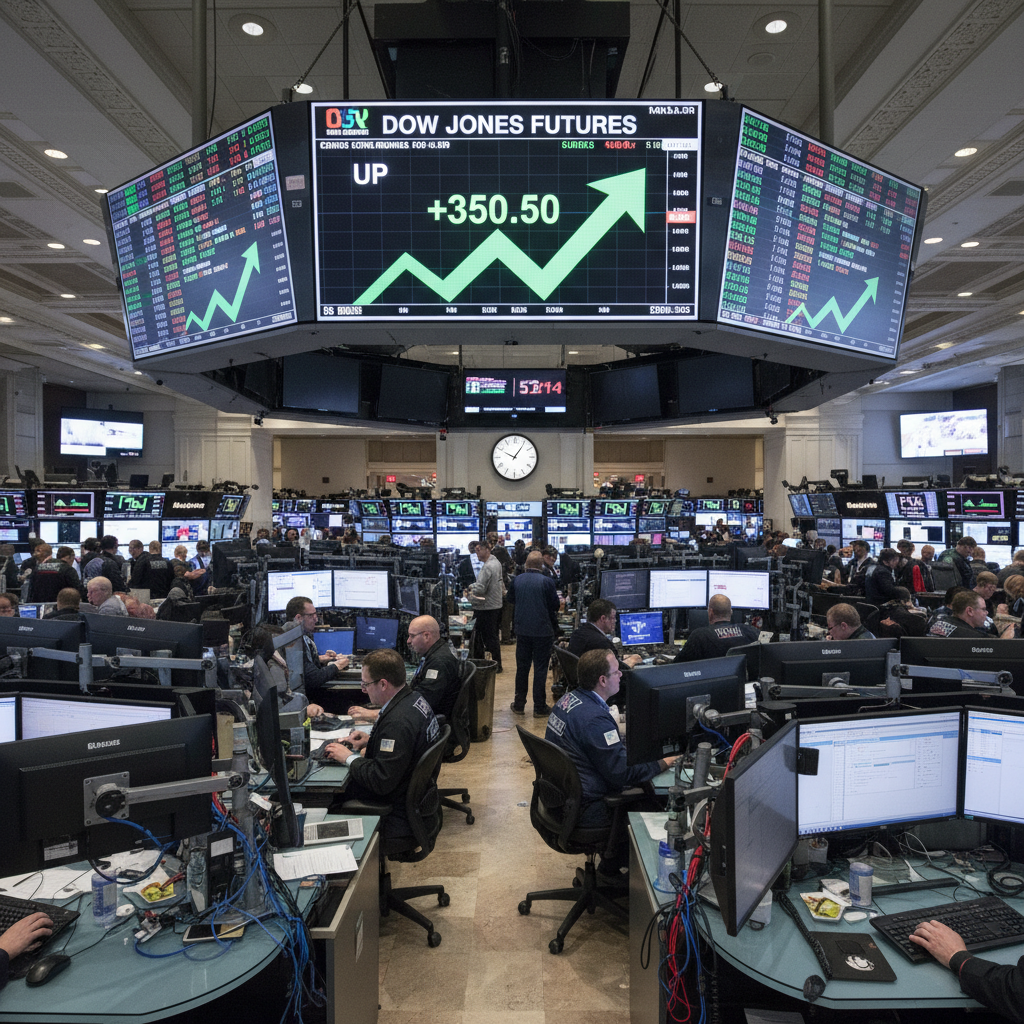
Dow Futures jumped as Donald Trump was recently heard talking about tariff “flexibility,” sending ripples across financial markets. Investors are keeping an eagle eye on the news flow and anticipate any possible changes in trade policy that may affect international trade and the U.S. economy as a whole.
Trump’s Tariff Flexibility Talks Explained
Trump’s statements about being “flexible” with tariffs have ushered in new discussion about U.S. trade policy. Tariffs have, for a long while, been considered to stand at the center of Trump’s economic policy, especially during his presidency when he imposed heavy tariffs on Chinese imports to protect U.S. manufacturing. But the new development could indicate a compromise position, therefore giving wings to new market expectations.
Tariff flexibility will imply that subsequent tariff adjustments will be more attuned to economic conditions, through hikes or cuts based on world trade trends. This shift of tone has reassured investors nervous about the business profit and consumer price impact from tight trade policy.
Impact on the Dow Jones Futures
The Dow Jones Industrial Average (DJIA) is a leading indicator of the performance of the U.S. stock market, reflecting investor sentiment and trust in the economy. Dow Jones futures experienced a sharp rise after Trump’s statement, signaling expectations that easing trade tensions would give a boost to economic growth.
Lessened tariff pressures would lead to:
- Lower tariffs for American businesses importing raw materials and goods.
- Improved business profits as businesses face fewer trade obstacles.
- Better consumer sentiment, which can improve consumption and market performance.
Market Perception and Investors’ Reaction
Market players have welcomed the idea of more transparent tariff policies. Most interpret Trump’s comments as a potential easing of tariff-related trade restrictiveness, to the relief of highly tariff-laden sectors like technology, automobiles, and consumer goods.
Financial experts observe that markets prefer predictability. Any trade policy signal that future trade will be more flexible reduces the uncertainty that is likely to cause market volatility. Such optimism is observed in the spike in Dow Jones futures, with investors anticipating a more business-friendly environment.
Key Sectors Affected
Tariff flexibility will undoubtedly be advantageous to various sectors:
- Technology: For companies importing from Asia, lower costs would arise.
- Automotive: Margins would improve with the reduction of tariffs on foreign components.
- Consumer Goods: Decreased duties will lower staple prices, leading to higher demand and spending from consumers.
Home companies that were thriving on account of high import tariffs would now be facing competition if tariffs are cut.
Impact on the World Economy
Trump’s tariff policy has broader implications for international trade. Amicably disposed towards its trading partners, China would be glued to the developments. Any shift to softer positions would help mitigate tensions and enable more cooperative trade negotiations.
This potential change in policy is looked upon as favourable by foreign investors. Typically, reduced trade barriers facilitate trade and economic growth in many regions of the world.
Future Market Outlook
The stock market in the short term after Trump’s tariff announcements has responded positively, but the long-term scenario will be determined by the implementation of such policies. Some of the things, which investors will watch closely, are:
- Policy clarity: For timings concerning changes in tariffs.
- Economic effect: Effects on inflation, corporate profitability, and consumer spending.
- Political environment: Possible future government action and its relation to trade.
Conclusion
The surge in Dow Jones futures foretells much optimism in the market concerning Trump’s free-spiritedness regarding tariffs. This change would ease trade tensions, provide corporate development, and incite consumer spirits. Nevertheless, investors are still awaiting an elucidation of policies on this matter while tending to keep a favorable position.
For now, all eyes are directed to what happens next and how it might change U.S. trade policy and global economic trends.