- calendar_today August 7, 2025
China stands at the threshold of solving the major challenge of extended EV charging durations that has prevented electric vehicle adoption from becoming mainstream. The speed of gasoline car refueling has become a standard for drivers but EV charging requires a minimum of thirty minutes even at the fastest speeds. The Chinese automotive giant BYD which overtook Tesla in EV production volume has developed innovative technology that will drastically cut charging times and transform electric vehicle mobility.
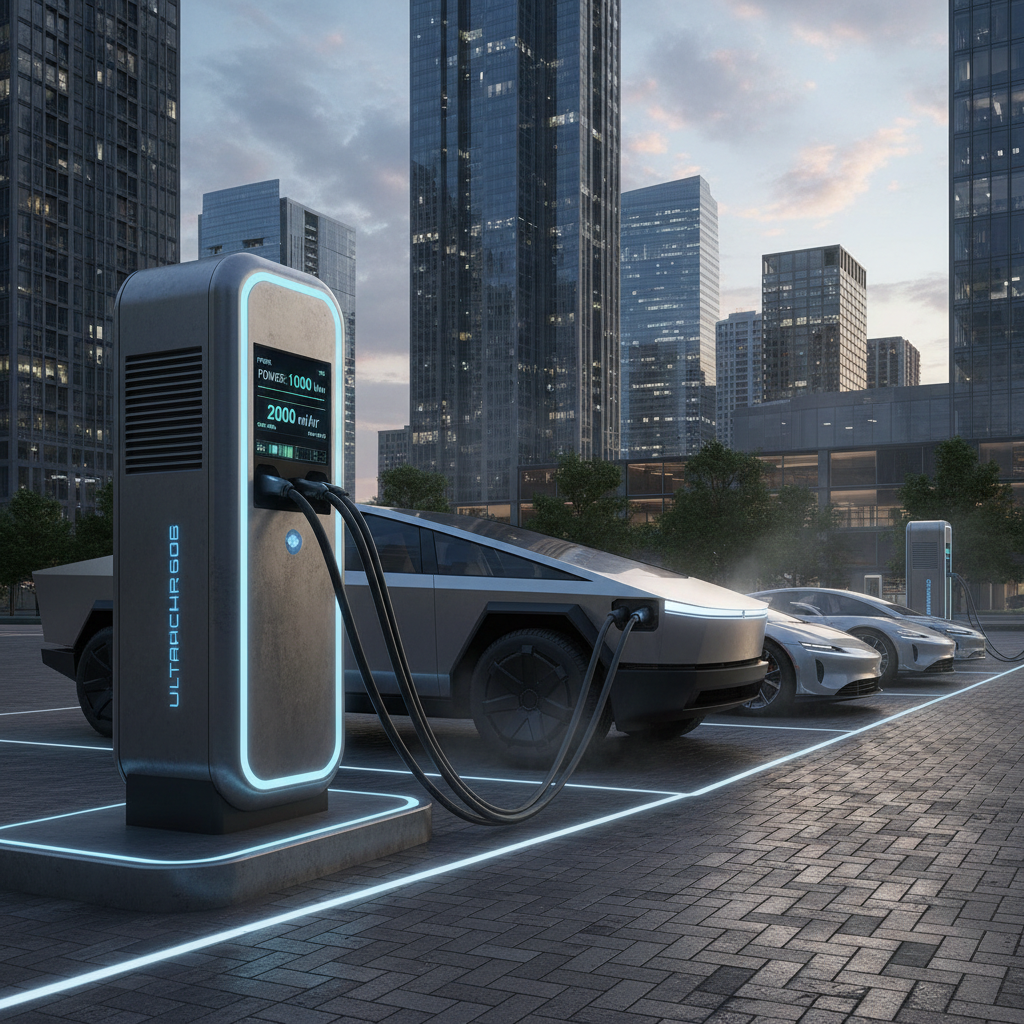
BYD’s “super e-platform,” which is a state-of-the-art system at the core of its innovation, features batteries that can charge at a remarkable rate of 10C. Drivers benefit from powerful DC chargers with a maximum output of 1,000 kW which allow them to increase their vehicle’s driving range by 249 miles (400 km) within five minutes during optimal conditions. Tesla’s Superchargers deliver up to 250 kW in contrast to Electrify America’s 350 kW and Formula E racing stations which provide up to 600 kW. The company BYD established a new worldwide standard with its advanced technology that places them at the pinnacle of fast electric vehicle charging developments.
BYD chairperson Wang Chuanfu announced their company’s ambitious goal to make EV charging as quick and easy as refueling gasoline vehicles which may transform the EV industry. BYD intends to establish over 4,000 megawatt charging stations throughout China to serve purchasers of its newly introduced electric cars, the Han L sedan and the Tang L SUV. The design of these vehicles takes full advantage of quick charging technology to provide drivers with an uninterrupted and efficient charging experience.
BYD’s ultra-fast charging technology extends beyond convenience by tackling range anxiety which remains a primary concern among potential electric vehicle buyers. The innovation that reduces charging durations transforms electric vehicle ownership into an accessible option while creating pathways toward widespread market acceptance. The Chinese market will first experience BYD’s revolutionary 1,000 kW chargers which may encourage other automakers to join the electrification movement.
Despite BYD’s successful market penetration in Europe and other areas BYD is encountering substantial political barriers in its attempt to establish itself in the US market. Legislators across the political divide have taken active steps to block Chinese electric vehicle makers such as BYD from accessing the US market. The advanced charging technology faces restriction in reaching American consumers because of political opposition.
The CLTC range estimation practice in China shows a different approach when compared to the conservative EPA standard methodology used in the United States. The reported 249-mile range would drop substantially when assessed by the EPA’s more rigorous testing standards. BYD’s latest charging platform stands as a major improvement over current EV passenger charging systems despite receiving a lower EPA range estimate.
Automakers who have a significant presence in the US market still have the option to acquire licensing rights for this technology. The introduction of this licensing arrangement could speed up the adoption of faster charging technologies in the US while reducing political obstacles and allowing more people to benefit from quicker charging options. The introduction of BYD’s 10C charging approach represents a substantial advancement in EV technology which could transform electric vehicle mobility in the future.