- calendar_today August 6, 2026
The rollout of the 2025 One Big Beautiful Bill Act (OBBBA) has triggered sweeping changes to free school meals nationwide, with National 1 (USA) communities among those significantly impacted. Following reductions in Supplemental Nutrition Assistance Program (SNAP) eligibility under the new law, approximately 4.5 million people—1.5 million of them children—have lost access to SNAP benefits. This policy shift is now reshaping the landscape of school meal programs in every corner of the United States.
Impact of OBBBA on SNAP Benefits and Student Eligibility
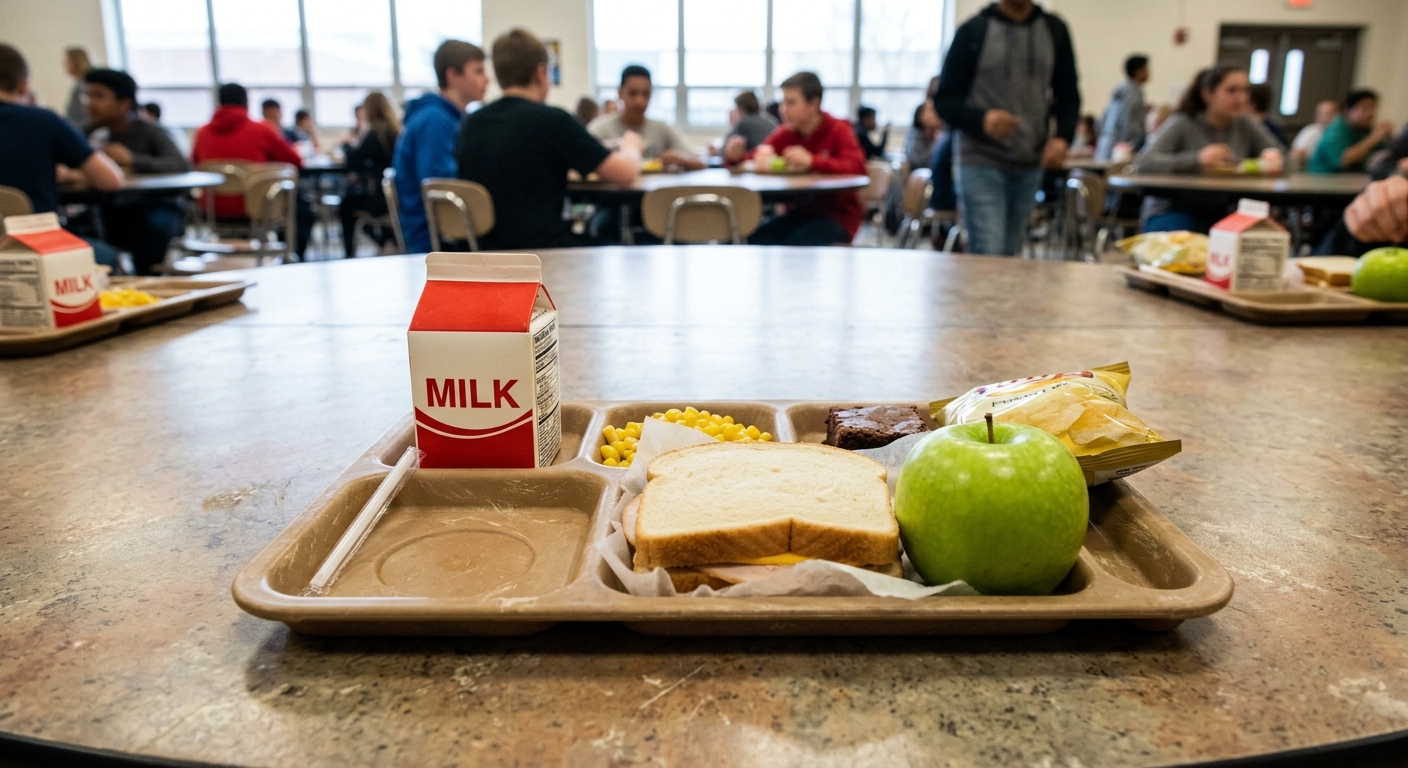
SNAP benefits have historically served as a critical eligibility gateway for free school meals, automatically qualifying children in participating households. With the OBBBA sharply reducing SNAP enrollment, student eligibility for school nutrition support has declined accordingly. Experts estimate that as many as 18.3 million children may lose access to free school meals throughout the country, compounding issues of food insecurity for families already struggling to make ends meet.
Community Eligibility Provision: A Crucial School Nutrition Policy
Many school districts have relied on the Community Eligibility Provision (CEP), a federal policy enabling high-poverty schools to offer free meals to all students without requiring individual applications. The drop in SNAP participation is now threatening the CEP status of numerous schools. Without maintaining certain poverty thresholds, districts stand to lose their CEP designation—resulting in fewer students receiving free meals and increased operational burdens for administrators and families alike.
Case Study: Miami-Dade and Shifting Food Costs
Florida’s Miami-Dade School District, one of the largest in the nation, has already announced that it will reduce its free meal offerings after losing CEP eligibility. Now, families face a $4.20 charge for each student lunch following a 30-day grace period. Experts warn that these changes could drive annual food cost impacts upwards of $2,200 per household, placing new strains on communities in National 1 (USA) and beyond.
The Challenge of the Meal Application Process
Families affected by the loss of automatic eligibility may still seek free or reduced-price meals through individual, income-based meal application processes. However, advocates note that this paperwork-heavy approach can deter participation, especially among low-income households facing language, time, or technological barriers. Navigating the meal application process effectively remains a challenge for many, forcing some families to make difficult decisions about food and other necessities.
Consequences for Child Nutrition and Learning
Education and health experts highlight that school meal programs are vital for combating food insecurity and supporting students’ academic achievement and well-being. Reduced access to nutritious meals at school raises concerns about declines in overall school nutrition standards, negatively impacting children’s learning and development. National education and nutrition assistance advocates are urging policymakers to find ways to ensure continued access to healthy school meals for all eligible children in every region.
Looking Ahead: Addressing School Nutrition Gaps
Stakeholders across National 1 (USA) are working to adapt to the evolving landscape of nutrition assistance. Some school districts are launching awareness campaigns to help families understand changes in eligibility and navigate the complicated application process. Others are seeking alternative funding sources and local partnerships to mitigate losses in state and federal support for school nutrition programs. Community leaders stress that maintaining robust free meal coverage remains crucial for children’s health, academic growth, and long-term community stability.
As the effects of the OBBBA continue to unfold, the consequences for free school meals and childhood nutrition in National 1 (USA) are likely to remain at the forefront of education, public health, and policy discussions for years to come.