
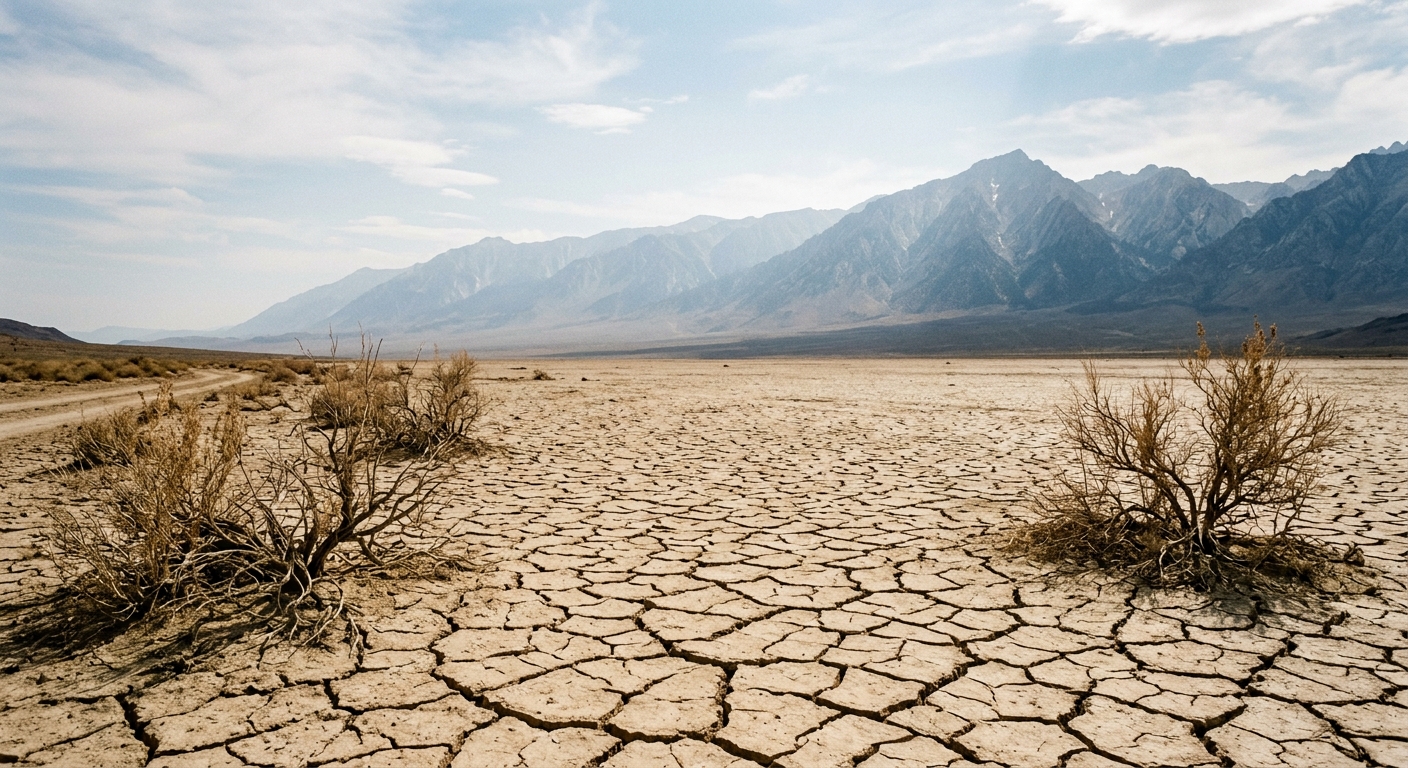
AI-generated illustration; not a photograph of the reported event.
- calendar_today October 14, 2026
Earth's Vital Signs Hit Record Extremes in 2026
Researchers have warned that climate change pushed Earth's environmental systems to, and possibly past, their limits in 2026, with several key "vital signs" reaching record extremes. The findings were detailed in a report published in the peer-reviewed journal BioScience, which assessed the state of the global climate and noted that seven out of 16 major climate markers are now at record extremes. Multiple other markers also show evidence of accelerating or abruptly shifting trends.
Climate Markers Signal Deepening Crisis
The report identified crucial indicators such as greenhouse gases, temperature, glacier mass, oceans, wildfires, and the Earth's energy imbalance—the gap between energy absorbed and radiated back into the atmosphere—as showing alarmingly high values. According to the research team, Earth's climate is "moving deeper into uncharted territory." The report states that "Earth's life-support systems are being pushed beyond stable limits, with changes unfolding faster than our ability to respond." What were once rare events—extreme heat, floods, droughts, storms, and wildfires—are becoming defining characteristics of a changing planet.
2026: The Hottest Year on Record
July 2026 was officially the warmest month ever recorded in the contiguous United States, contributing to the hottest summer the country has ever experienced. The trend was global: ocean temperatures reached unprecedented levels in July, while atmospheric carbon dioxide concentrations climbed to their highest point in the last 2 million years. Europe was struck by intense heat waves that led to an estimated 14,000 deaths, while parts of the United States endured record-breaking temperatures that fueled wildfires burning millions of acres of land. The report notes growing evidence that climate change is accelerating and its effects are intensifying, raising concerns about crossing irreversible climate tipping points for various ecosystems.
Accelerating Global Warming and Climate Tipping Points
Analysis from the new climate report shows that global warming is happening much more quickly than in previous decades. The rate of warming has increased from about 0.05 degrees Celsius per decade between 1880 and 1970 to 0.36 degrees Celsius per decade between 2010 and 2024. The researchers warned that faster warming raises the risk of surpassing critical climate tipping points—thresholds beyond which changes to the environment could become irreversible. In 2025, coral reefs became the first known environmental system to cross such a tipping point, with scientists warning the damage may be permanent.
Feedback Loops and the Threat of Climate Destabilization
The destabilization of Earth's climate could be amplified by feedback loops—cycles in which warming triggers more greenhouse gas emissions from sources such as melting permafrost and wildfires, which in turn accelerate global warming even further. Loss of sea ice, ecosystem degradation, and increased emissions could combine, setting off a "hothouse" climate trajectory. In this scenario, different tipping points act as catalysts, pushing global warming beyond human control. As the report cautions, "We are witnessing the rapid destabilization of the Earth's climate system. This is no longer a warning for the future; it is a diagnosis of the present."
Calls for Urgent Action and Signs of Progress
Despite the negative trends documented, the report acknowledged some positive shifts in the use of renewable energy—a critical tool in mitigating climate risks. However, researchers emphasized that current progress is "far below the scale and speed needed to stabilize Earth's climate system." The report called for rapid reductions in greenhouse gas emissions, effective adaptation, ecosystem protection, and transformative societal change as essential elements for reducing climate risks and ensuring a more resilient future. Without swift action, threats like wildfires and dangerous air quality are expected to become "more and more prevalent."
Source: cbsnews.com.


