
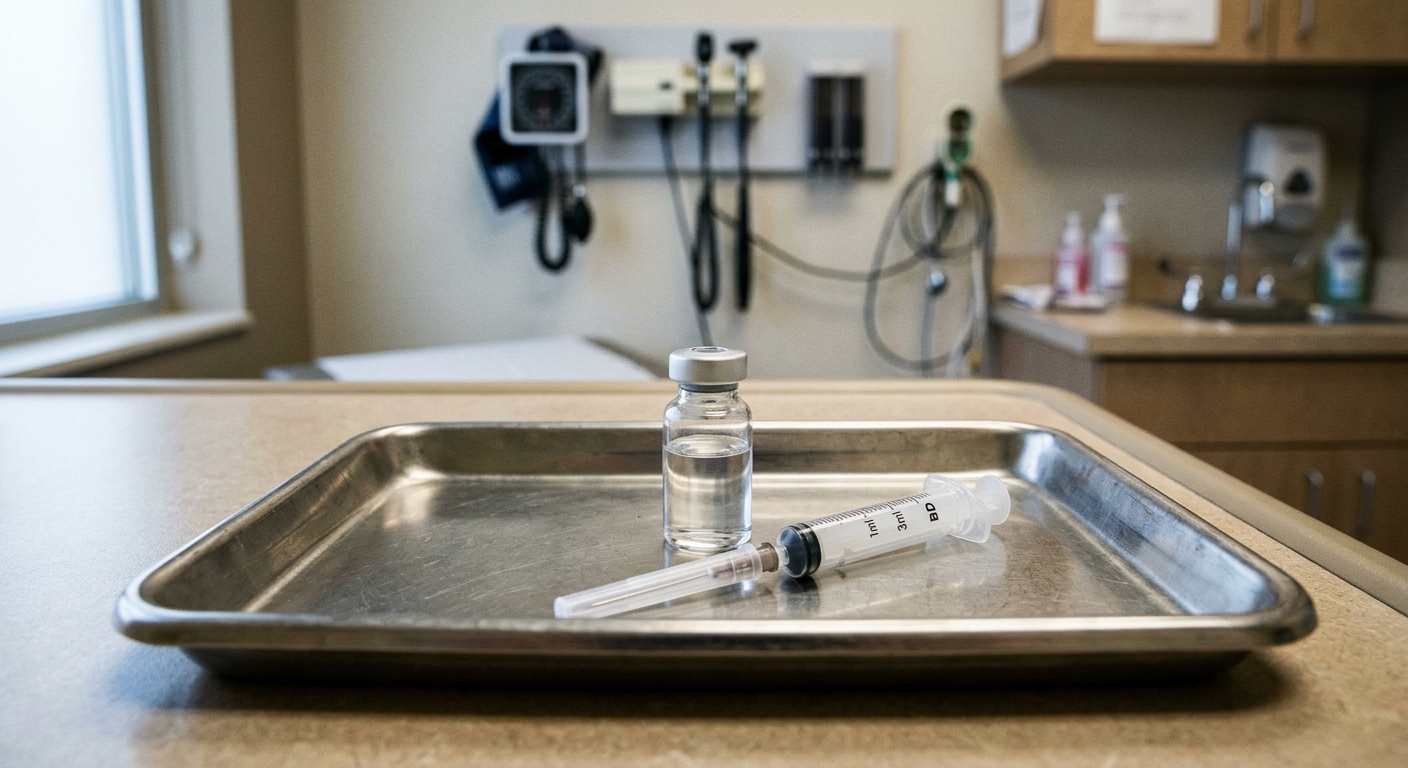
AI-generated illustration; not a photograph of the reported event.
- calendar_today November 14, 2026
Measles Elimination Status Revoked in the United States
The United States has officially lost its measles elimination status, following a dramatic surge in measles cases this year. Researchers confirmed the decision, which comes from the Pan American Health Organization (PAHO), after the U.S. recorded more than 5,400 cases in 2026, exceeding double last year's total. PAHO, a regional office for the World Health Organization (WHO), is responsible for monitoring disease elimination efforts in North and South America.
Definition and Significance of Measles Elimination Status
According to the WHO, a country is considered to have eliminated measles when there are no locally transmitted cases or outbreaks lasting 12 months or longer. The U.S. had maintained this status since 2000, but did not meet the standard for the first time in over two decades this year. Data from the Centers for Disease Control and Prevention (CDC) indicate that approximately one-third of current cases are linked to outbreaks that began in 2025 and continue to persist.
Case Statistics and Regional Outbreaks
To date in 2026, the CDC has reported 5,412 measles cases, resulting in over 590 hospitalizations and at least six deaths. Pennsylvania has experienced the largest outbreak, with more than 1,500 cases and seven reported deaths. New York and Wisconsin have each recorded one measles-related death. Measles cases have been identified in 45 states and Washington, D.C., reflecting widespread transmission across the country.
Factors Leading to the Loss of Elimination Status
Medical experts attribute the resurgence of measles to decreasing vaccination rates and gaps in population immunity. Dr. Céline Gounder, a medical correspondent, explained that the loss of elimination status means ongoing chains of disease transmission can occur, putting unvaccinated individuals at increased risk. She stressed the importance for emergency rooms and pediatricians to consider measles in all individuals presenting with fever and rash, regardless of travel history. Dr. Omer Awan, an epidemiologist, emphasized that the MMR vaccine, which is 97% effective in preventing measles, remains the primary tool for combating the spread, but noted the challenge lies in inadequate usage of this resource.
Strategies for Regaining Elimination Status
To regain measles elimination status, PAHO recommends maintaining vaccination rates of at least 95%, implementing sensitive surveillance systems, and having the ability to rapidly respond to outbreaks. Dr. Awan highlighted the need to address misinformation and increase vaccination campaigns to raise protection levels. Recent trends show childhood vaccination rates have declined in many communities across the country, often dropping below the level needed to prevent outbreaks. Legislative changes, such as making nonmedical vaccine exemptions harder to obtain, have led to increased vaccination rates in states ending these exemptions.
Historical Context and Ongoing Challenges
The CDC began monitoring national measles data in 1912. Before the introduction of the vaccine in 1963, nearly all U.S. children contracted measles, resulting in significant rates of hospitalization and death. After widespread adoption of the vaccine, measles cases sharply declined, and the nation was declared measles-free in 2000. Despite occasional outbreaks, such as those in 2015 and 2018-2019, the current rise in cases is unprecedented in recent decades. Almost all infections now occur in unvaccinated individuals; in 2026, 96% of cases were among people who had not received or were unsure about receiving the MMR vaccine.
At-Risk Populations and Public Health Implications
Measles remains one of the most contagious infectious diseases, posing particular threats to unvaccinated individuals, babies, pregnant women, and those with weakened immune systems, for whom vaccination is not an option. These groups rely on high population immunity—achieved through widespread vaccination—to remain protected. The continued spread increases the risk these vulnerable individuals face, highlighting the pressing challenge to restore broad immunity through coordinated vaccination campaigns and public health measures.
Related coverage
Source: cbsnews.com.


