
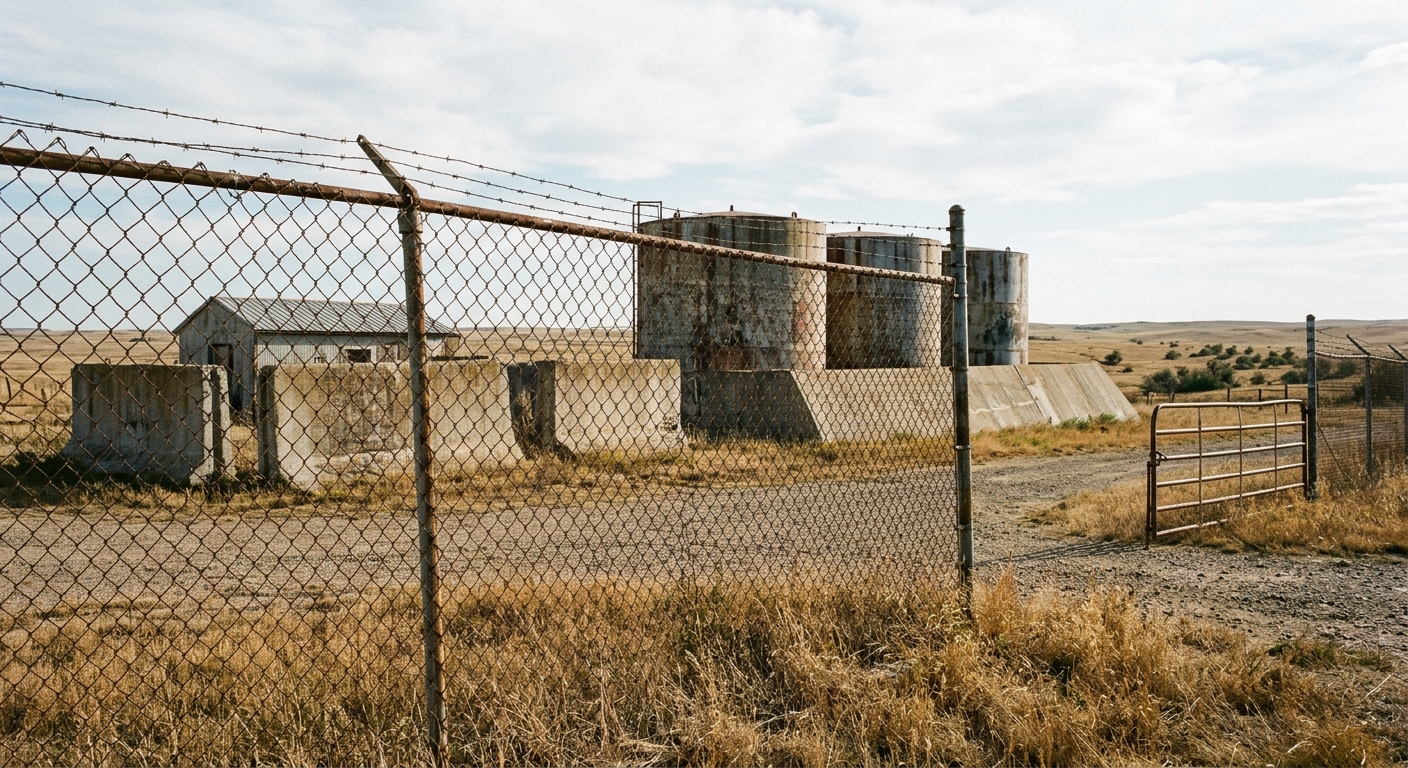
AI-generated illustration; not a photograph of the reported event.
- calendar_today November 24, 2026
Army Plans Lead Azide Detonation at Iowa Ammunition Plant
The U.S. Army will detonate a stockpile of deteriorating lead azide explosives at the Iowa Army Ammunition Plant in Middletown, Iowa, at 9 a.m. local time on Wednesday. Federal officials have stated that this detonation is the only safe option as the chemicals have become so unstable that they risk spontaneous explosion.
Why Detonation Is the Chosen Option
The decision to detonate the explosives follows an inspection in March, which revealed that 68 drums of lead azide, a toxic and highly sensitive chemical once used in bomb-making, had undergone significant deterioration and recrystallization. According to officials from the Army, Environmental Protection Agency, Bureau of Alcohol, Tobacco, Firearms and Explosives (ATF), and other agencies, the chemical's instability makes even moving or opening the drums extremely dangerous.
"It’s just a matter of time when we have an uncontrolled detonation," said ATF Director Robert Cekada. "It’s not a matter of if, it’s a matter of when, and that would not be a great place for us to be." Acting Army Secretary Adam Telle emphasized that other methods for neutralization were evaluated but found unsafe.
Public Safety Measures and Evacuation Plans
The detonation is anticipated to send a toxic plume of lead dust southwest from the plant, reaching into neighboring Missouri. Army forecasts indicate meaningful concentrations of the dust could be found up to 40 miles from the site, including the community of Farmington and areas of northeastern Missouri. The Army has established a "5-mile cone extending southwest" from the ammunition plant as the primary evacuation zone.
Federal officials have recommended that anyone in this path, particularly pregnant women, young children, and individuals with chronic diseases, evacuate the area. Short-term hotel lodging is being offered to Middletown residents and others in the evacuation zone through Friday. Residents remaining in the region are urged to stay indoors and should anticipate the sound and possible vibration from the detonation, according to Maj. Gen. Eric Shirley, commanding general of the U.S. Army Sustainment Command.
Lead Azide: Hazards and Stockpiling
Lead azide is a potent neurotoxin that poses significant health and environmental risks. There is no known safe level of exposure. The chemical was phased out of military explosives approximately 15 years ago due to its sensitivity and storage challenges. In 2009, the nation's remaining stockpile was moved to the Iowa Army Ammunition Plant for central storage.
Federal officials, including U.S. Agriculture Department undersecretary Richard Fordyce, estimate that about 350 farms could be affected, based on the projected path of the toxic plume.
Community Concerns and Legal Challenges
News of the planned detonation has sparked significant distress and confusion among residents, who say they have not been given enough time to prepare for potential health and environmental consequences. The Army’s plan was allowed to proceed after a federal appeals court rejected a lawsuit seeking to halt the process on Monday.
Aborted Efforts at Chemical Neutralization
The Army did attempt to neutralize the explosives using a chemical process from MuniRem Environmental, a company that specializes in non-explosive disposal techniques. However, the Army determined that this approach was unsafe due to the increased degradation of the barrels, including accumulation of crystallized lead azide on the exterior and lids, rendering the containers too dangerous to open or move. Col. Aaron Teller, commander of the Army’s 71st Explosive Ordnance Disposal Group, stated that the risk to personnel from moving or opening the drums was too great.
Weather Conditions and Timing
Officials have chosen Wednesday morning for the detonation, citing optimal weather patterns expected to minimize risk to public health by directing the plume away from densely populated areas. Acting Army Secretary Adam Telle noted, "The forecast weather patterns are ideal to protect public health and safety across the region."
Related coverage
Source: nbcnews.com.


