- calendar_today April 19, 2026
Debunking Myths Around Adaptive Learning Technologies
Adaptive learning technologies promise a revolution in education, but not without a whirlwind of myths clouding their potential. Ever feel overwhelmed by buzzwords and exaggerated claims? You’re not alone. Adaptive learning can sometimes seem more like a catchphrase than a practical tool. Let’s cut through the hype and explore the real impact these technologies have on education. Spoiler: the truth just might surprise you.
Understanding Adaptive Learning Technologies
Before diving into the myths, it’s crucial to understand what adaptive learning technologies actually are. These are systems designed to adjust the educational experience based on individual learner needs. This customization can take several forms, from personalized learning paths to real-time assessments that modify content delivery.
Key Features of Adaptive Learning
The essence of adaptive learning lies in its ability to analyze data about learners, such as their learning pace and comprehension levels. By doing so, these systems can:
- Modify instructional material based on individual progress.
- Offer personalized feedback to enhance learning outcomes.
- Identify gaps in knowledge and suggest resources for improvement.
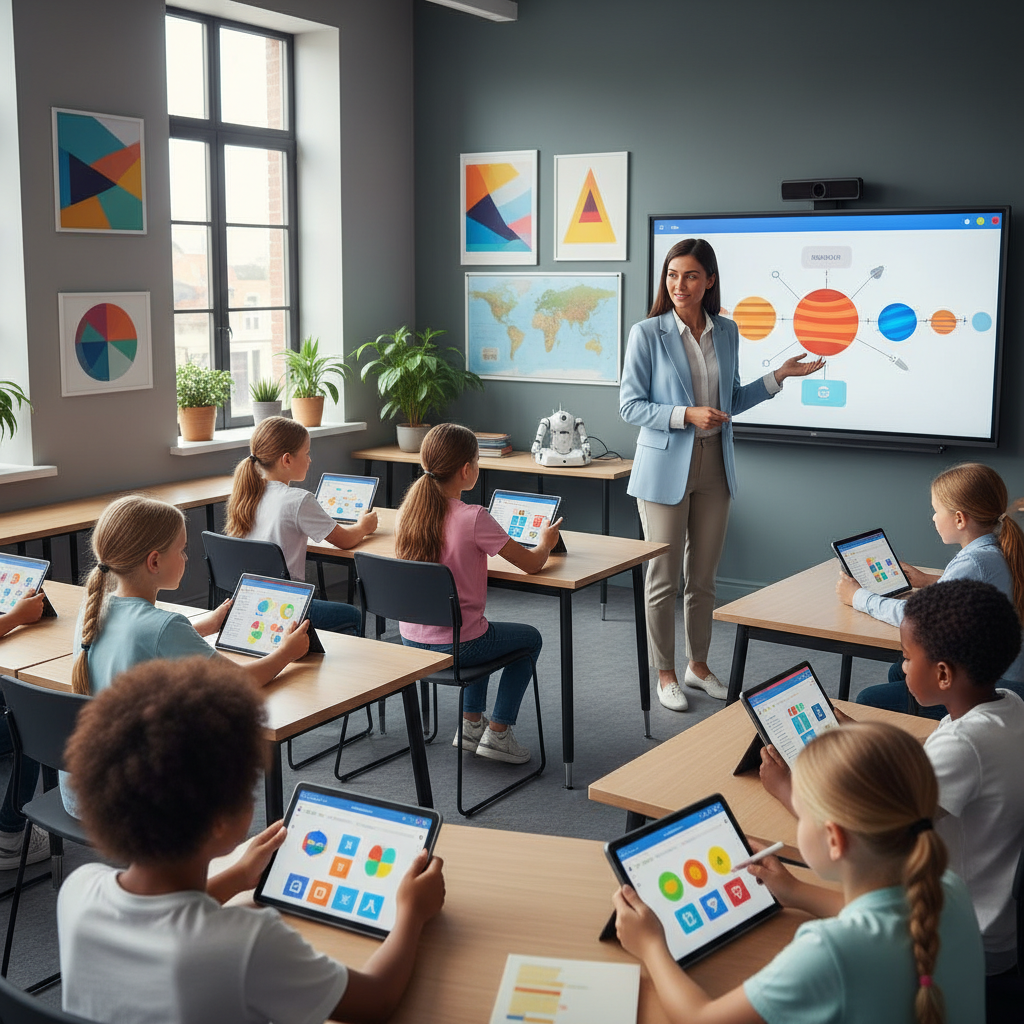
In a classroom setting, this means that a student struggling with algebra concepts can get more targeted practice, while a student excelling can move on to more challenging material, effectively maximizing learning efficiency.
Myth 1: Adaptive Learning Technologies Replace Teachers
One of the most persistent myths is that adaptive learning technologies will render teachers obsolete. Let’s set the record straight: technology is not a substitute for the educator’s role. Instead, think of it as a tool to enhance teaching methods. A report from the Bill & Melinda Gates Foundation noted that blended learning models, which incorporate adaptive technologies alongside traditional teaching, led to improved student outcomes.
Human Touch vs. Automated Intelligence
While algorithms can analyze data and personalize experiences, they lack the emotional intelligence, mentorship, and personal connection that an experienced teacher offers. For example, a high school math teacher can intuitively spot when a student is losing motivation and address it with encouragement or a change in tactics—something no algorithm can do effectively.
Myth 2: All Adaptive Learning Technologies Are Created Equal
Many believe that all adaptive learning systems work similarly and are equally effective. This couldn’t be further from the truth. The design and implementation of these technologies can vary dramatically.
Some platforms provide robust analytic features, while others might only deliver superficial adjustments without real depth.
Evaluating Effectiveness
When evaluating an adaptive learning system, consider factors like:
- Data analytics capabilities.
- User-friendly interfaces.
- Integration with existing curricula.
- Feedback mechanisms for educators.
A study by Educause found that institutions that thoroughly vetted adaptive learning tools saw a 20-30% improvement in educational outcomes, emphasizing the significance of choosing the right system.
Myth 3: Adaptive Learning Is Only for Struggling Students
Another prevalent misconception is that adaptive learning technologies are designed solely for students who are falling behind. In actuality, they cater to all learners, tailoring experiences to different skill levels, interests, and learning styles. Adaptive learning systems can challenge advanced students by offering them enrichment opportunities or exploring complex topics at greater depth.
Engaging All Learners
Consider a history class using an adaptive learning platform. While some students may still be grasping foundational concepts, others may crave a more investigative approach, diving deep into historical events with analytical assignments. A platform like Khan Academy, for example, tailors learning experiences across a wide spectrum of abilities, ensuring that each learner is engaged appropriately.
Myth 4: Adaptive Learning Technologies Are Too Expensive
The initial investment in adopting adaptive technologies can indeed be daunting. However, the long-term benefits can outweigh the costs, particularly when you consider improved student retention rates and personalized learning efficiency. A 2021 study from the National Center for Education Statistics highlighted that institutions implementing adaptive learning saw a notable reduction in course failure rates and an increase in overall student satisfaction.
Cost-Effectiveness Over Time
For instance, by offering customized pathways and support, schools can reduce the need for extensive remediation programs, ultimately saving money. Imagine investing in a tool that helps at-risk students succeed and allows high achievers to advance more quickly, leading to fewer dropouts and a more engaged student body overall.
Myth 5: Adaptive Learning Technologies Lack Proven Success
This myth stems from the relatively recent implementation of adaptive learning in educational settings. However, numerous case studies highlight the successful impacts of these technologies. For example, Arizona State University saw a 15% increase in pass rates for its introductory courses when integrating adaptive learning technologies.
Data Speaks Volumes
Similarly, institutions like Georgia State University have reported significant improvements in retention rates. By analyzing learning data from students actively engaged in adaptive learning environments, educators can make informed decisions that lead to better academic results.
The Road Ahead for Adaptive Learning Technologies
So, what does the future hold for adaptive learning technologies? As educational landscapes evolve, these systems will continue to become smarter, more inclusive, and more valuable to both educators and students. With ongoing advancements in AI and machine learning, expect adaptive learning to move toward even greater personalization and engagement.
Empowering Learners
By moving past these myths, you can better appreciate how adaptive learning technologies are reshaping the educational experience. Schools and institutions must not only invest in these technologies but also in professional development for teachers to ensure they harness the full potential of adaptive learning.
Conclusion
Understanding the truth behind adaptive learning technologies allows for more informed decisions in educational practices. Remember, these tools are designed to complement, not replace, the essential human element of teaching. As you consider how best to integrate these technologies into your educational environment, focus on choosing effective systems, engaging all learners, and embracing continuous improvement. What challenges do you foresee in the future with implementing adaptive learning in your institution?