
- calendar_today October 12, 2026
Understanding Indigenous Peoples Day
Indigenous Peoples Day is a time when Native Americans and supporters across the country recognize the history, culture, and ongoing challenges faced by the Indigenous peoples of the Americas. The holiday, which is typically observed on the second Monday of October, provides an alternative to Columbus Day, whose legacy is intertwined with the lasting effects of colonialism.
Origins and Recognition
While various communities have honored Native American history and culture for decades under different names, broader government recognition grew in recent years. In 2021, former President Joe Biden officially commemorated Indigenous Peoples Day, stating that the day is meant to "honor America’s first inhabitants and the Tribal Nations that continue to thrive today." This recognition marks a shift toward acknowledging the lasting impact of colonialism on Indigenous communities and celebrating their resilience.
Connection to Columbus Day
The observance of Indigenous Peoples Day on the same date as the long-standing federal holiday Columbus Day highlights a historical pivot. Columbus Day was established to celebrate Christopher Columbus' 1492 sighting of what became known as the Americas. For many, however, it also represents the beginning of a period of colonization and profound change for Native peoples.
Indigenous Peoples Day often coincides with or replaces Columbus Day at the state and local level. Some states, Washington, D.C., and numerous cities and school systems now recognize the holiday, either alongside or instead of Columbus Day.
Ceremony, Protest, and Calls for Justice
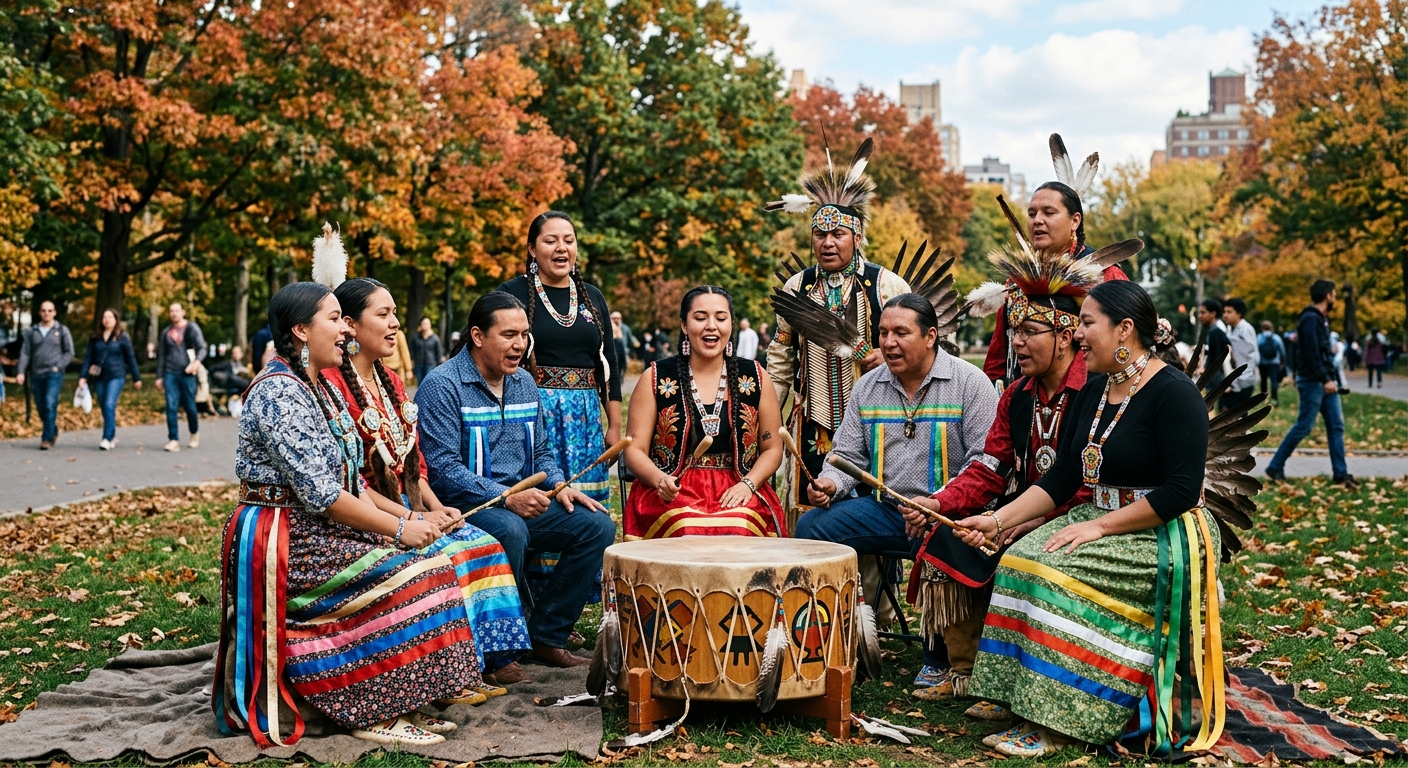
Native Americans celebrate Indigenous Peoples Day through ceremonies, dances, and speeches that reflect centuries of resilience and strength. The day is also a moment for protest—against memorials to Christopher Columbus, in advocacy for environmental justice, the return of Indigenous lands, and in remembrance of missing and murdered Indigenous women. These efforts underscore the importance of addressing both historical and ongoing issues impacting Indigenous communities.
Presidential Approaches
Attitudes among U.S. presidents toward Indigenous Peoples Day vary. While President Biden recognized and commemorated the day, former President Donald Trump has stated he would not follow this practice alongside Columbus Day. Despite not being a federal holiday, the growing number of observances highlights an increasing willingness among states, cities, and institutions to foreground Indigenous resilience and culture.
The Ongoing Significance
Indigenous Peoples Day serves as a celebration of Native Americans' survival, culture, history, and continuing contributions. It is also a reminder of the challenges that Tribal Nations still face. Whether through ceremonies, protests, or education, the day is an important opportunity for all Americans to reflect on the country's history and support the rights and recognition of its first inhabitants.
Source: abcnews.com.


