
- calendar_today October 12, 2026
The White House Press Pool Under Scrutiny
The White House press pool, a decades-old system at the heart of presidential press coverage, has recently come into the spotlight due to a Department of Justice investigation. The probe concerns the five major TV networks that form the White House television pool and whether their coverage decisions may have violated antitrust laws. This development follows former President Donald Trump’s decision in the previous month to bar CNN, MS NOW, and Politico from the White House grounds—a move that led to several days where TV pool coverage was limited or absent entirely.
What Is the White House Press Pool?
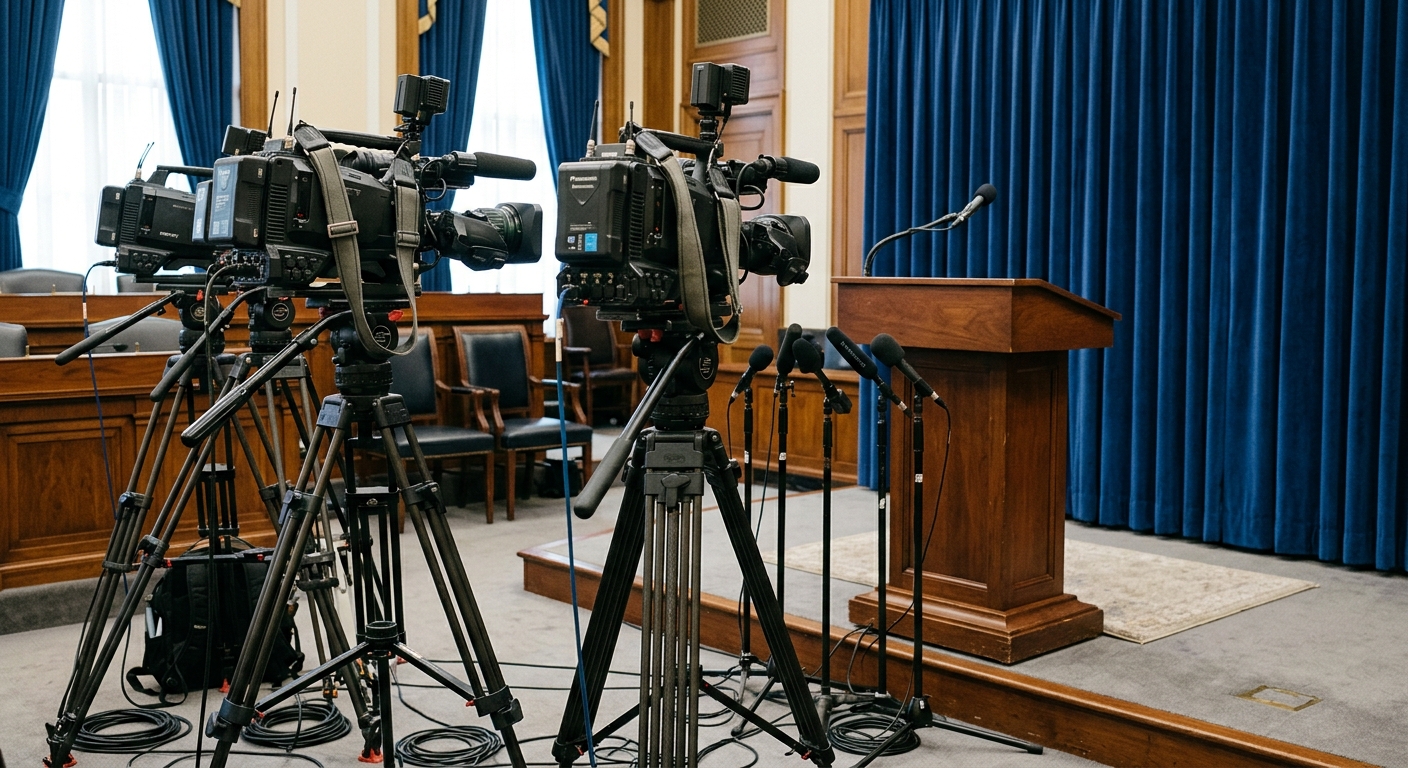
The white house press pool is a system where select media outlets share video, editorial insights, and costs to cover events concerning the president. Designated "poolers" represent the wider press corps, especially when access is restricted—such as inside the Oval Office, Cabinet meetings, or official travel—ensuring events are documented and the public stays informed. This system extends to print, radio, still photography, and television pools that cover high-profile administration officials, government departments, and key events.
How the Press Pool System Functions
Members of the tv press pool track the president closely, reporting on official events, speeches, spontaneous moments, and sometimes the president’s health. Pool reporters travel with the president whenever he leaves the White House, providing immediate access to breaking information. Notable moments captured by the press pool include President John F. Kennedy’s assassination, the attempt on President Ronald Reagan’s life, and President George W. Bush’s actions during the September 11, 2001, terrorist attacks. Even today, footage recorded by the pool can fuel widespread discussion, such as recent images of President Trump’s bruised hand after an event.
Membership and Structure of the TV Press Pool
The network television pool is comprised of NBC, ABC, CBS, CNN, and Fox. These networks rotate responsibilities, sending designated journalists and camera crews to various events. The pool’s video and editorial content are then distributed not just among network members, but also to subscribers like Newsmax, One America News Network, NewsNation, and C-SPAN. International outlets may also subscribe to coverage, especially during summits or foreign visits. Separate pools perform similar functions for print, radio, and still imagery.
Historical Development of the Press Pool
The press pool system dates back as far as the World War II era, with Franklin D. Roosevelt among the first presidents to travel with a designated group of reporters. Across both Democratic and Republican administrations, the system has evolved but maintained its core purpose: enabling press coverage of the presidency in situations where unrestricted access is not feasible.
Controversies and Control Over Press Pool Content
The current controversy stemmed from Trump’s move to ban several major outlets from White House grounds, leading TV pool networks to suspend pool coverage for several days as a protest. The pool continued to cover other administration officials but limited press coverage of Trump during the bans. CNN, MS NOW, and Politico have legally challenged the bans, with a federal judge temporarily blocking the restrictions while the lawsuit proceeds. Historically, the White House Correspondents’ Association determines most print pool membership, while TV networks oversee the television pool. Yet, the Trump Administration has occasionally blocked outlets or altered pool access in response to coverage decisions or editorial style disputes.
Coverage decisions within the TV pool are made by its member journalists, maintaining editorial independence from the White House. The Trump administration, however, introduced a "secondary TV pool" position for an outlet designated by the administration, though these "secondary" poolers report only for their organizations rather than for distribution to the full pool or subscribers.
Conclusion
The white house press pool remains a crucial conduit between the presidency and the public. As legal and administrative disputes continue over access and control, the future structure and function of the press pool system may evolve further, reflecting changing dynamics between the White House and the media.
Source: nbcnews.com.


