- calendar_today April 19, 2026
Optimizing Learning Environments: A Practical Guide
Imagine walking into a classroom where students are fully engaged, collaborating effortlessly, and thriving academically. This isn’t a fantasy; it’s a possibility shaped by the learning environment you create. At TAIE International Institute, we believe that optimizing learning environments is pivotal for enhancing student achievement and holistic development. This guide lays out step-by-step strategies designed to help educators transform their classrooms into spaces where learning flourishes.
Understanding the Importance of Learning Environments
The physical and psychological aspects of a learning space can significantly influence educational outcomes. A well-optimized learning environment fosters not just knowledge acquisition but also creativity, critical thinking, and social skills. Let’s break down what an ideal learning environment looks like.
Physical Characteristics
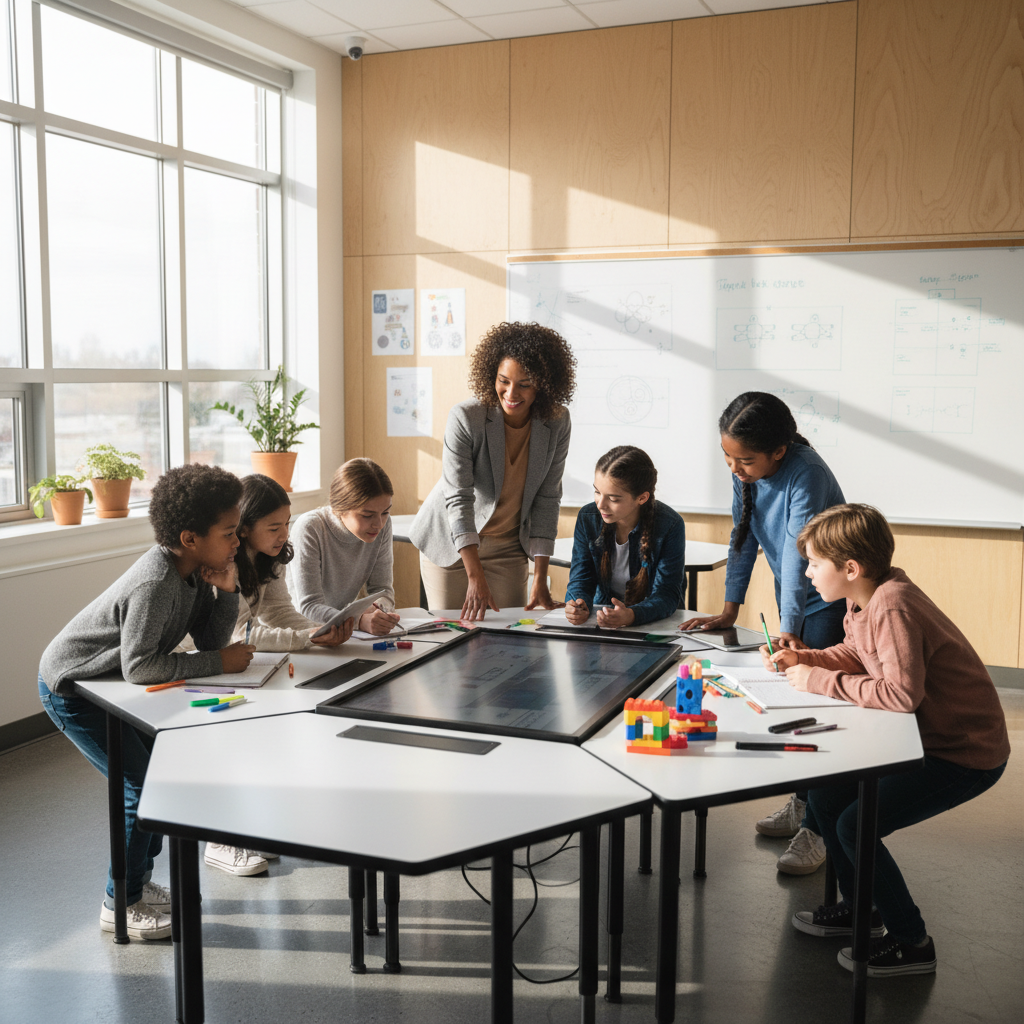
The arrangement of furniture, lighting, colors, and technology can impact student engagement. For instance, flexible seating arrangements can promote collaboration, while natural light can reduce eye strain and increase energy levels. Consider how you can utilize space effectively. Have movable furniture that allows for group work? Be mindful of noise levels; quiet areas for individual study can coexist with collaborative spaces.
Emotional and Psychological Space
A safe, inclusive, and supportive emotional environment is crucial. Students are more likely to participate and express their ideas when they feel valued and respected. Foster a growth mindset by encouraging risk-taking and viewing mistakes as learning opportunities. Implement strategies to build rapport among students and between students and teachers.
Step 1: Assessing Your Current Environment
Before making changes, evaluate your existing space. Walk through the classroom and take notes on what works and what doesn’t. Solicit feedback from your students; they can provide valuable insights about what makes them feel comfortable and encouraged. Use surveys or informal discussions to assess their views.
Key Questions to Consider
- Do students have a clear understanding of the layout?
- Is there a balance between individual and group workspaces?
- Are the resources, like technology and materials, easily accessible?
Step 2: Creating Flexible Learning Spaces
Flexibility is vital. As the needs of students change, so should the learning environment. Transform static furniture arrangements into adaptable settings. You can achieve this by:
- Using tables and chairs on wheels for easy repositioning.
- Incorporating standing desks for students who prefer them.
- Designating areas for different activities—quiet study, collaboration, and hands-on projects.
Designing for Variety
Incorporate different types of learning spaces to cater to various learning styles. For example, some students thrive in a quiet, solitary environment, while others engage better in collaborative, dynamic settings. By providing a mix, you give each student an opportunity to choose based on their comfort levels and learning preferences.
Step 3: Integrating Technology Effectively
Technology can enhance learning environments significantly, but it must be used thoughtfully. Whether it’s interactive whiteboards or individual tablets, technology should serve as a tool for collaboration and innovation rather than a distraction. Here’s how to do it right:
- Ensure all technological tools are user-friendly and properly maintained.
- Incorporate interactive elements into lessons to engage students actively.
- Provide digital literacy training to help students navigate technology safely and effectively.
Fostering Digital Citizenship
As you integrate technology, teach students about digital citizenship. Discuss the importance of responsible internet use, online etiquette, and the implications of their digital footprints. When students understand these concepts, they utilize technology more responsibly, enhancing the overall learning environment.
Step 4: Personalizing Learning Experiences
Every student is unique, and personalized learning experiences can drive engagement and understanding. Here are some ways you can tailor experiences:
- Employ differentiated instruction that suits various learning abilities.
- Utilize tools that allow for personalized learning pathways, such as learning apps and platforms.
- Encourage students to set personal learning goals, making them stakeholders in their education.
Building Individual Learning Plans
Work with each student to create Individual Learning Plans (ILPs). This ensures that their educational experiences are aligned with their interests and learning styles. Regularly revisit and adjust these plans to meet evolving needs.
Step 5: Encouraging Collaboration and Community
A collaborative environment promotes essential social skills and teamwork. Create opportunities for students to work together on projects and assignments. Consider these strategies:
- Implement group projects that require different roles and responsibilities.
- Arrange for peer reviews where students can give and receive feedback.
- Host community-building activities that promote respect and understanding among peers.
Inviting Family and Community Involvement
Extend collaboration beyond the classroom to include families and the larger community. Invite parents to participate in school events or curricular activities. This not only strengthens relationships but also builds a comprehensive support system for students.
Conclusion: Taking Action
By assessing your current environment and implementing these strategies, you’ll significantly enhance the learning conditions in your classroom. Remember that optimizing learning environments is an ongoing process. Stay open to feedback and adapt as necessary. The goal is not just to improve academic performance but to create a nurturing space where students feel empowered to excel.
Your journey to creating an optimal learning environment starts now. What will your first step be?