
- calendar_today October 13, 2026
SpaceX Launches Cargo Mission to the International Space Station
On Tuesday, a SpaceX Falcon 9 rocket successfully launched an unpiloted Dragon cargo ship into orbit. The mission aims to deliver more than 6,300 pounds of research materials, spare parts, and supplies to the crew aboard the International Space Station (ISS).
Final IROSA Solar Arrays Sent for Space Station Power Boost
Alongside various space station supplies, the cargo includes two critical roll-out solar array blankets. These IROSA (ISS Roll-Out Solar Array) units represent the final sets in a major multi-year upgrade, addressing degradation in the station's original set of eight solar wings. Once installed, these arrays are expected to restore and enhance the power generation capabilities of the ISS. Dana Weigel, director of low-Earth orbit operations at NASA's Johnson Space Center, emphasized that the new arrays work in parallel with existing panels, significantly increasing efficiency and output.
Spectacular Early Morning Launch and Arrival Plans
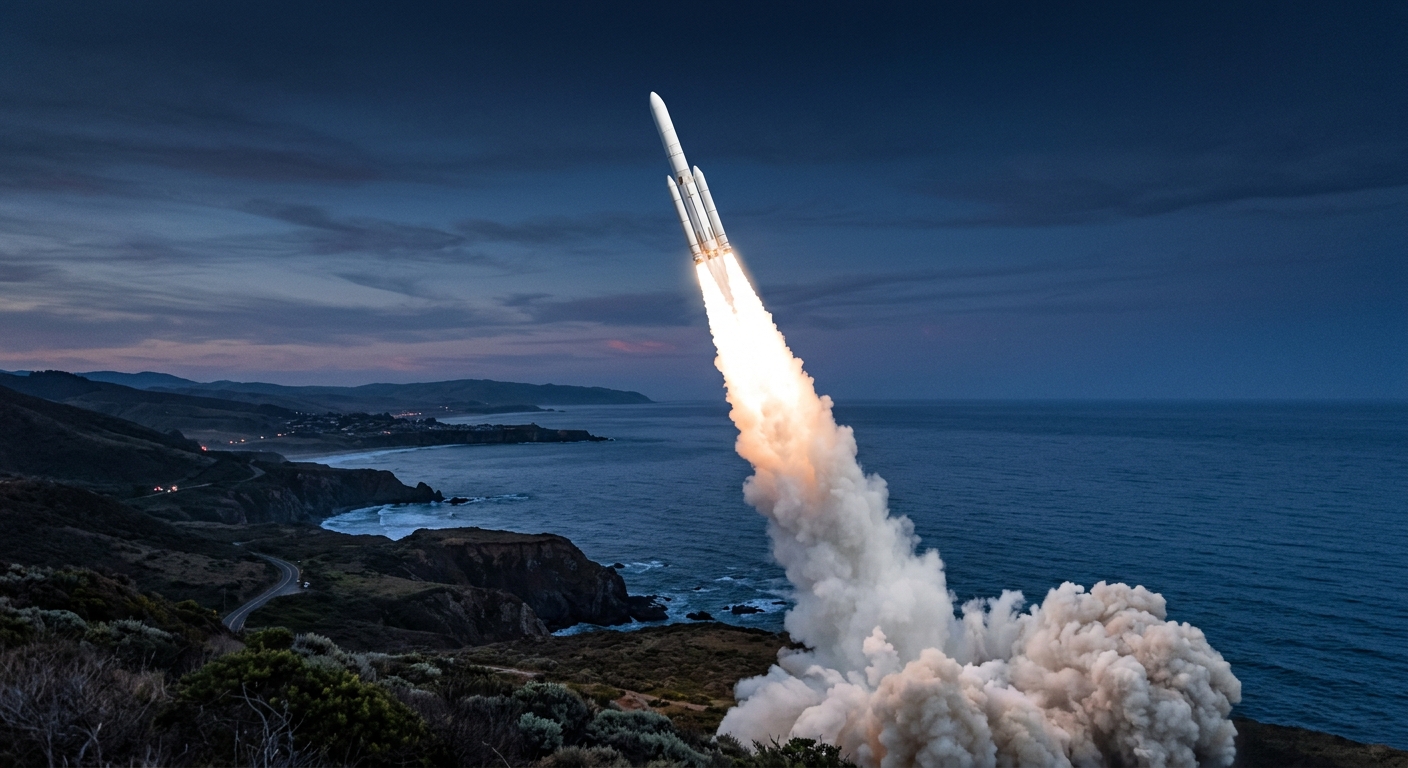
The Falcon 9's nine first-stage engines ignited at 6:33 a.m. EDT, generating 1.7 million pounds of thrust as the vehicle lifted off from pad 40 at Cape Canaveral Space Force Station. Viewers at the Kennedy Space Center were treated to a unique sight—the ISS passing 260 miles overhead, with the Falcon’s ascent timed to match the orbital plane for a precise rendezvous.
Shortly after liftoff, the first stage booster separated from the second stage and landed safely back at Cape Canaveral, accompanied by two ground-shaking sonic booms and a dramatic arc in the sky. Meanwhile, the rocket's second stage continued to orbit, with its expanding exhaust plume creating a striking visual effect known as the "jellyfish effect," visible for miles.
If all proceeds as planned, the Cargo Dragon will autonomously dock at the ISS’s forward Harmony module on Thursday at 11 a.m., delivering its payload to the crew.
Cargo Manifest: Supplies, Science, and Fresh Food
The Dragon cargo ship is delivering a wide range of equipment and materials crucial to ongoing mission operations. The manifest includes:
- 844 pounds of crew supplies
- 1,307 pounds of scientific research gear
- 417 pounds of spacewalk equipment
- 880 pounds of vehicle hardware and computer gear
Crew members can also look forward to a selection of fresh produce, such as oranges, apples, grapefruit, tomatoes, blueberries, baby carrots, and mini sweet peppers. Additional treats including pizza kits, cookies, candy, and special holiday items are also included, according to Bill Spetch, space station program manager.
Upgrading the Station’s Power Capabilities
The IROSA solar arrays, which weigh a combined 2,635 pounds on Earth, are transported in the unpressurized trunk of the Cargo Dragon. Each blanket is capable of generating 20 kilowatts of power. When installed during upcoming spacewalks later in October and early November, these new arrays will be positioned on top of and in front of the existing panels, ultimately restoring the station's power output to its original levels, or better.
Weigel explained that the new IROSA arrays feature solar cells with higher energy density and greater efficiency than the original arrays, further enhancing the ISS’s capability to support current and future missions.
Looking Ahead: Continued Progress Toward Space Station Sustainability
The ongoing cargo resupply mission demonstrates the effectiveness of public-private partnerships in supporting long-term human presence in low-Earth orbit. The combination of advanced technology, such as the IROSA solar arrays, and reliable launch vehicles like the Falcon 9, continues to play a vital role in maintaining the International Space Station as a hub for research, innovation, and international cooperation.
Source: cbsnews.com.


