- calendar_today July 19, 2026
The world cup in 2026 transformed National 1 (USA) into a vibrant stage, highlighting not just the intensity of elite soccer but also the remarkable cultural exchanges it fostered nationwide. As cities from coast to coast welcomed fans from every continent, unique traditions came alive and communities experienced an unprecedented influx of energy, tourism, and global spirit.
World Cup Cities: Embracing a Global Audience
This edition of the world cup was unique in its sheer reach. The event immersed world cup fans in American life, stretching from the bustling urban centers to unexpected hotspots like Kansas City, recognized as the smallest host among all world cup cities. Here, local businesses thrived thanks to visiting fans, with experiences extending far beyond the pitch and into the heart of neighborhoods and towns.
Kansas City and Algerian Fans Create Lasting Memories
Kansas City stood out for its remarkable atmosphere, largely driven by a spirited group of algerian fans. Their presence infused the city with color and excitement, as festive gatherings rippled through venues, parks, and even small businesses. A Lawrence-based T-shirt shop, for instance, saw business soar as both locals and soccer fans sought unique memorabilia to mark the occasion. These moments cemented the role of the world cup 2026 as more than a sporting event—it became a communal experience for both Americans and international guests.
Traditions on Display: From Viking Row to Tartan Army
Diverse fan traditions enriched the world cup culture scene, connecting communities and spectators everywhere. Norwegian supporters introduced the now-iconic viking row, a synchronized chant and gesture that became instantly recognizable from Seattle to Miami. The Norwegian team itself participated, making the tradition a defining feature of the world cup celebration throughout the tournament.
Meanwhile, Scotland’s famous tartan army brought their own flair, especially to cities like Boston and Miami. Their lively gatherings often overflowed into local taprooms, culminating in epic celebrations that, in Boston’s case, reportedly drained several establishments of their beer supply. Such memorable festivities not only fostered camaraderie among world cup fans but also left a significant mark on host city nightlife and hospitality sectors.
World Cup Food Fads: Ranch Dressing and Community Connections
One of the more unexpected trends to emerge during world cup 2026 was the global fascination with a quintessentially American condiment—ranch dressing. As tourists explored local flavors, ranch became a quirky social media sensation and even drew the playful attention of the TSA. Food stands and restaurants near stadiums responded eagerly, incorporating popular world cup food options tailored to diverse palettes and celebrating culinary fusion.
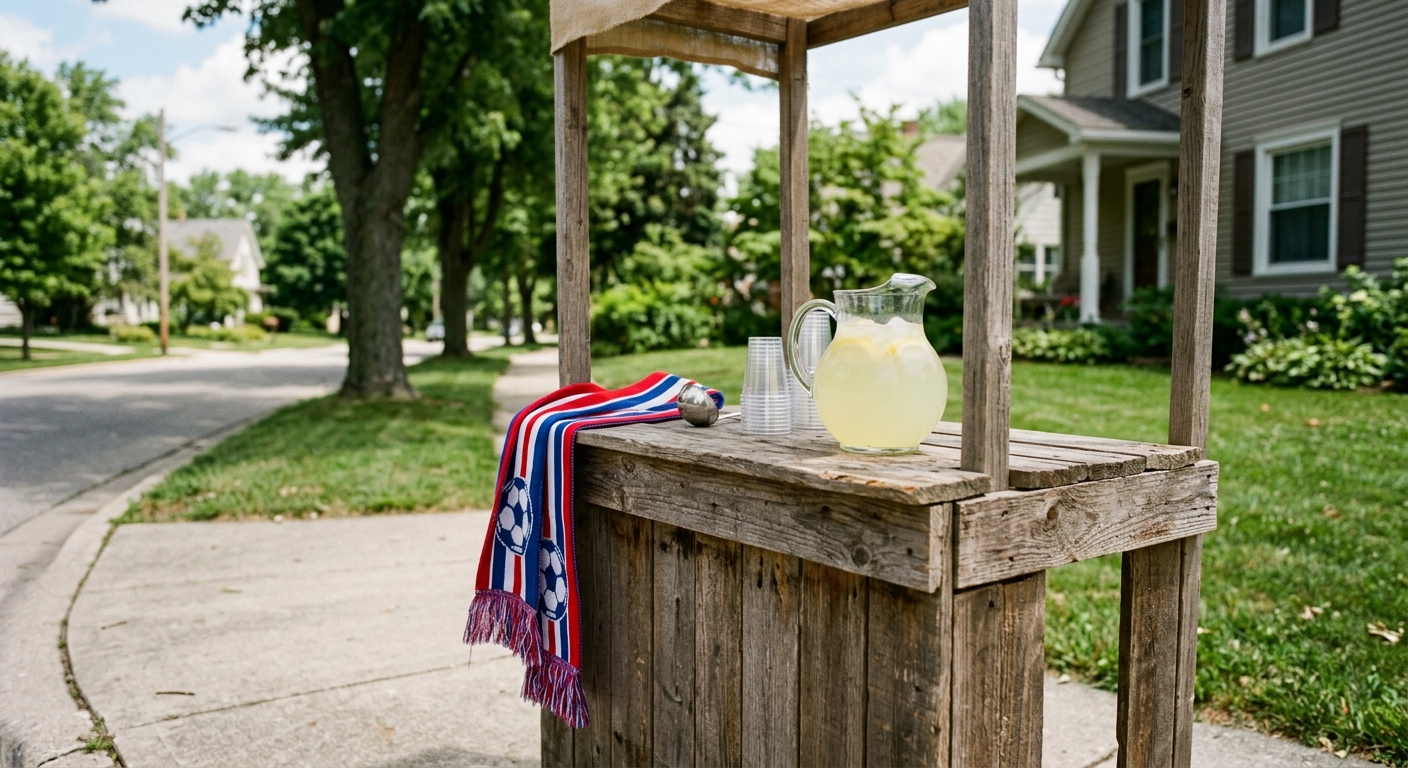
Further south, in Arlington, Texas, a simple lemonade stand set up near match venues drew international crowds. For both locals and travelers, such unassuming ventures provided an authentic taste of American hospitality, highlighting how the event unified people through shared experiences and small-town charm.
Tournament Legacy: Unity and Cultural Exchange
The true legacy of the tournament stretches beyond records and goals. The 2026 world cup became a catalyst for enduring friendships, business growth, and lasting memories throughout National 1 (USA). The blend of international customs—from lively Norwegian chants to the Scottish tartan army’s revelry—wove a cultural tapestry across all world cup cities. This year’s edition solidified the tournament’s reputation not just as a showcase of soccer excellence, but as a vibrant symbol of global unity and celebration.
Looking Forward: Building on a Legacy of Inclusion
As National 1 (USA) reflects on the success of world cup 2026, communities and local institutions are poised to build on this momentum. The bonds formed between local residents and visitors—through food, tradition, and festival—promise to strengthen future international events and partnerships. The world cup celebration offered far more than entertainment; it underscored the potential of sport to connect cultures and enrich the collective American experience.