- calendar_today October 21, 2026
One in Five Americans Reducing Grocery Spending Due to Electricity Bills
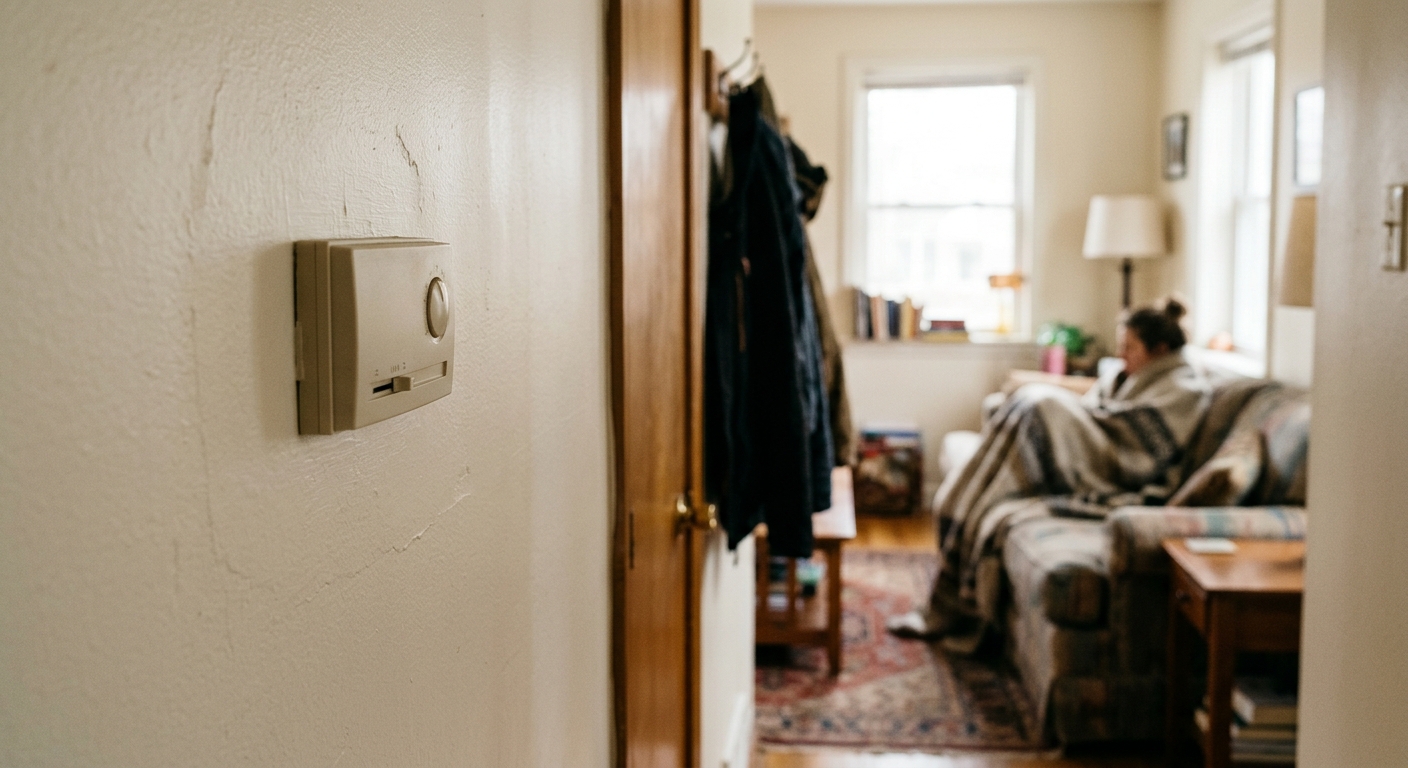
A recent survey from Consumer Reports reveals that about 20% of Americans have had to cut back on groceries to pay their electricity bills. Additionally, approximately a quarter of consumers are turning down their heating or air conditioning to uncomfortable levels in an effort to reduce their energy costs, according to the national poll of more than 2,000 adults.
Rising Electricity Bills Impacting American Households
The Consumer Reports survey found that 80% of respondents who have lived in the same home for at least three years have seen their electricity bills rise during that period. The largest share, 28%, reported bill increases of between 20% and 49%. Federal data supports these findings, showing that electricity prices across major U.S. cities have climbed 14% over the last three years.
Households Adapting to Higher Energy Costs
As rising electricity bills continue to put pressure on household budgets, many Americans are changing their spending habits. The survey noted that consumers are switching to less expensive foods and reducing discretionary purchases such as vacations and dining out to manage their utility bills. Sara Enright, senior director of safety and energy at Consumer Reports, explained that vulnerable populations, such as students and retirees living on fixed incomes, are particularly hard hit, struggling to find ways to keep up with unexpected energy expenses.
Concerns About Energy Affordability and Distrust of Utility Companies
Energy affordability was a prominent issue in the survey. Many respondents blamed higher electricity bills on utility companies seeking greater profits and the rapid expansion of data centers. Electricity demand in the U.S. is forecast to rise 16% by 2029, largely due to this data center growth, according to Schneider Electric. Additional factors such as the cost of natural gas and electrification of buildings and vehicles are also cited as contributors to increasing household energy costs.
The survey further revealed widespread distrust of government regulators, with a majority of Americans believing state utility regulators are not adequately protecting consumer interests. "The public is becoming increasingly distrustful that government is looking out for them, and this is true across party lines," Enright noted.
Government Assistance and Struggling Middle-Income Families
Mark Wolfe, executive director of the National Energy Assistance Directors Association, noted a rise in applications for government energy assistance, even among households with incomes too high to qualify for traditional programs like the federal Low Income Home Energy Assistance Program. Tight budgets mean that increased costs for utilities, gasoline, and food leave many consumers financially stretched, with some losing their budget surplus entirely due to these rises.
Consumer Reports Launches Power Smarter Initiative
In response to these challenges, Consumer Reports has launched the Power Smarter Initiative, which includes the Energy Bill Decoder. This service allows consumers to submit their electric bills anonymously for analysis, helping the organization track pricing and usage trends across the United States. Sara Enright described the initiative as a way to help households better understand their bills and take more control over their energy costs while providing Consumer Reports with aggregated data to advocate for more affordable energy.
Source: cbsnews.com.