- calendar_today October 21, 2026
California State Workers Stage Statewide Strike
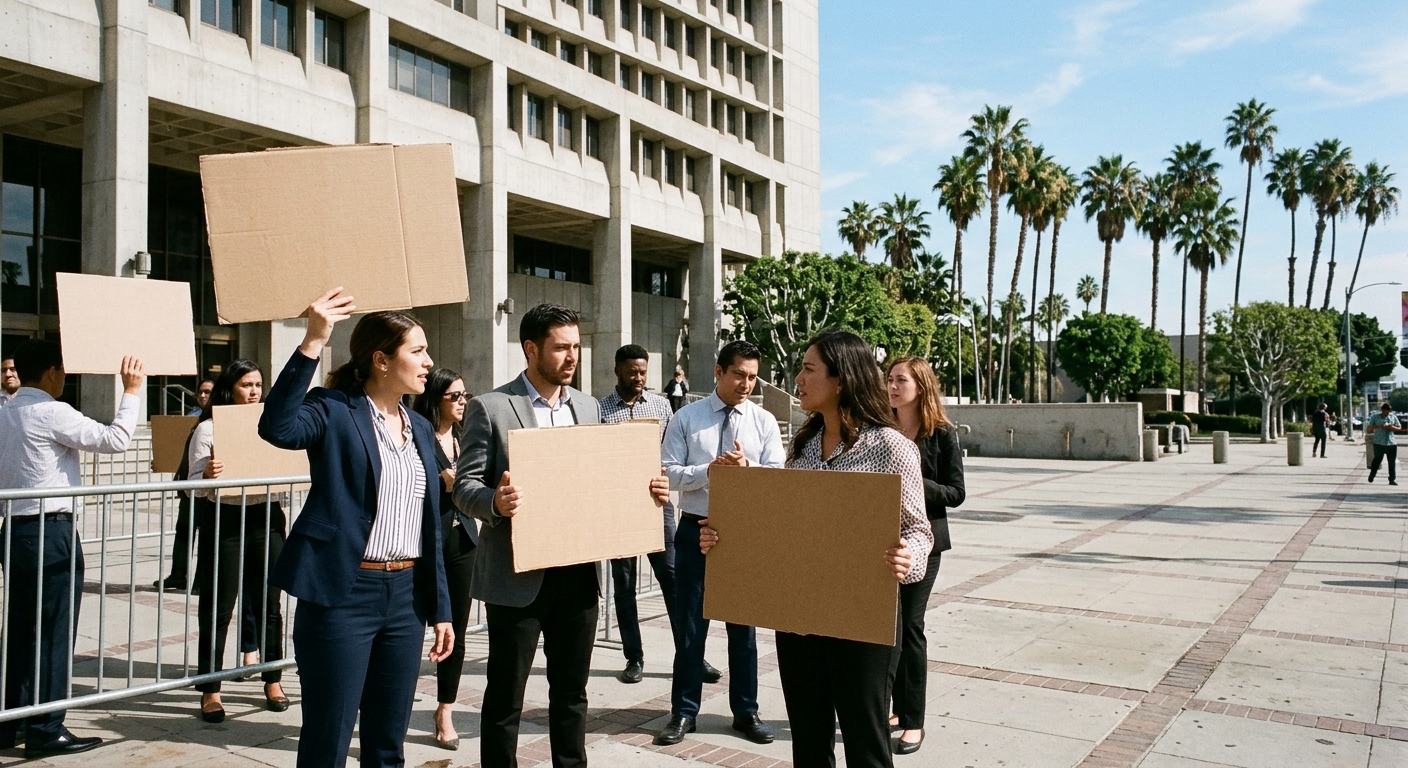
On Wednesday, California state workers are participating in a one-day strike to demand improvements in their contract, including increased pay, affordable healthcare, and greater flexibility for remote work. The job action stems from ongoing contract negotiations that have reached a standstill, prompting workers to bring attention to their concerns.
Demands for Improved Pay and Benefits
The striking employees, represented by SEIU Local 1000—the largest union for California government workers—are calling for a 20% salary increase over the next three years. In addition to higher wages, they are seeking a greater state contribution toward employee healthcare costs. Union leaders argue that the proposed changes are essential for workers to afford basic necessities such as groceries, childcare, and rent.
Healthcare and Remote Work at the Forefront
Ensuring access to affordable healthcare remains a central issue for the union, alongside advocacy for more flexible remote work policies. SEIU Local 1000 asserts that remote work not only supports a healthier work-life balance for employees but also results in cost savings for the state government by reducing expenses for office space.
Context: The State’s Return-to-Office Mandate
The strike was announced in response to a mandate from Governor Gavin Newsom requiring state employees to return to the office four days per week by July 1. Citing benefits to workplace collaboration and innovation, Newsom has argued this shift will enhance government services to the public. However, the order has been met with substantial resistance from the union, which maintains that more remote work flexibility is both viable and beneficial.
SEIU Local 1000’s Historic Strike Authorization
This walkout marks the first statewide strike since SEIU Local 1000 was founded in 2004, reflecting the significant discontent among its more than 100,000 members, which include auditors, nurses, and counselors. Earlier in the month, union members overwhelmingly voted to authorize the strike, accusing the state of failing to bargain in good faith following the expiration of their previous contract in June.
Key Figures and Official Responses
Anica Walls, president of SEIU Local 1000, urged the state to return to contract negotiations. "We are going on strike because we know the Newsom administration can and must do better," Walls said, calling for fair bargaining toward a contract that addresses workers' economic and personal needs.
The California Department of Human Resources has responded by stating that it remains focused on reaching a fair and responsible agreement with the union. The department also indicated it is coordinating with both the union and other state departments, and that contingency plans are in place for possible disruptions to government operations.
Political Context and Recent Legislative Actions
Governor Newsom, who is nearing the end of his gubernatorial term and is widely speculated to be considering a presidential campaign for 2028, recently vetoed a union-backed bill. This proposed legislation would have required state agencies to justify in writing any requirement for employees to report to the office. The veto underscores the ongoing clash between the administration and state workers over remote work and workplace flexibility.
Broader Implications of the Strike
The one-day strike is drawing attention to the ongoing struggle between state workers and California leadership over the terms of government employment. As the union seeks further negotiations on issues of worker pay increase, affordable healthcare, and remote work flexibility, the outcome of this labor action may shape the future landscape for state worker benefits and contract terms in California.
Source: abcnews.com.