
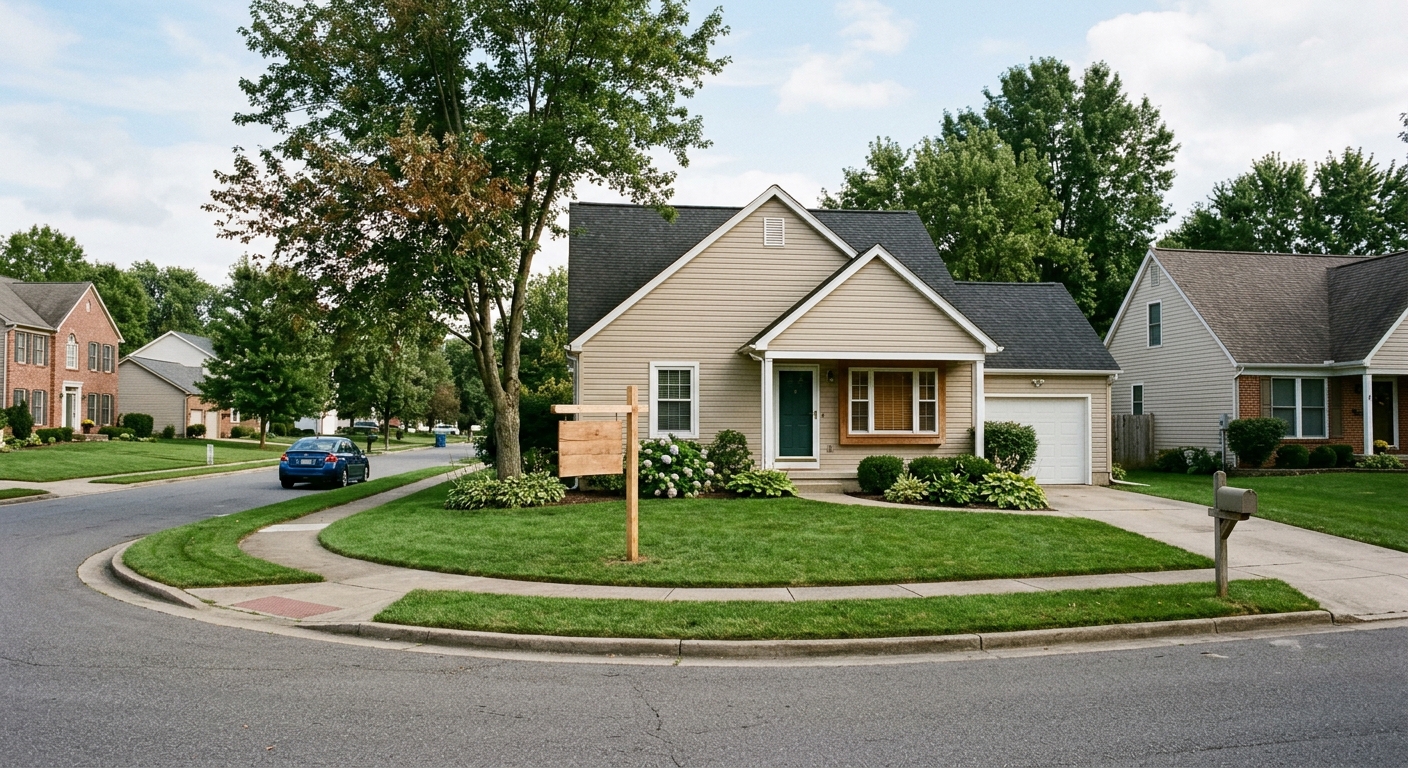
AI-generated illustration; not a photograph of the reported event.
- calendar_today November 20, 2026
Americans Struggle with Rising Housing Costs
The growing challenge of housing affordability remains a top concern for many Americans, especially those hoping to purchase their first home. Rising home prices, a tight housing inventory, and high mortgage rates have made it increasingly difficult for would-be buyers to enter the market. According to a July survey by financial services firm FICO, three-quarters of prospective buyers cited financial hurdles—particularly borrowing costs—as the primary reason they were unable to buy a home in 2026.
Bipartisan Momentum for Homeownership Assistance
Lawmakers from both parties have responded to calls for relief by introducing a range of proposals aimed at easing the path to homeownership. Some of these bills focus on lowering the upfront costs associated with buying a home—especially for first-time and low-income buyers. The results of the midterm elections, in which Democrats gained control of both the Senate and House, may give fresh momentum to these housing proposals in 2027.
One Democratic-led proposal would provide up to $20,000 for first-generation homebuyers and up to $25,000 to low-income households to assist with down payments. Another bipartisan bill, introduced in February, would allow first-time homebuyers to use unused education savings toward a down payment.
Expert Recommendations for Lower Down Payments
Beyond Congress, policy experts are offering additional solutions to the affordability crisis. Lael Brainard, former director of the National Economic Council, has advocated for lowering the required down payment on a federal loan to just $1,000 for first-time buyers. Ted Tozer, former president of Ginnie Mae, has promoted the idea of zero-down mortgages for qualifying borrowers. These proposals aim to ease the largest initial financial hurdle faced by new homeowners.
Learning from Previous Legislative Efforts
Lawmakers are also looking to build on the recent success of the 21st Century ROAD to Housing Act—a bipartisan bill designed to boost housing supply and reduce costs. Experts such as Kate Wood, a lending analyst at NerdWallet, anticipate that Congress will continue to incentivize state and local governments to increase affordable housing construction, as it did with the ROAD Act.
Additionally, the Bipartisan American Affordability and Jobs Act of 2026, introduced this September, targets permitting reform. By streamlining approval processes for developments, the bill seeks to make it easier and faster to build new housing units. Jake Krimmel, a senior economist at Realtor.com, noted that this legislation primarily aims to expedite permits for energy and infrastructure projects, with implications for housing developments as well. The Senate recently voted to approve this bill, referred to as BAAJA.
Political and Legislative Obstacles Ahead
The political landscape in Washington shapes the likelihood that these housing policies will move forward. Dennis Shea, a housing policy expert at the Bipartisan Policy Center, observes that Democrats have tended to support direct aid for first-time homebuyers and increased spending on federal housing programs. One recent Democratic proposal would offer a refundable tax credit of up to $25,000 for qualified first-time homebuyers, distributed in $5,000 annual increments over five years and introduced by Rep. Raja Krishnamoorthi of Illinois.
Despite Democratic majorities in both chambers for the upcoming year, there are hurdles. President Trump retains veto power, and overcoming a veto would require bipartisan support, including votes from at least four Republican senators. This dynamic means that even with party control, Democrats may need significant cooperation from across the aisle to enact new housing legislation.
Outlook for Affordable Housing Policies
With high home prices, limited supply, and elevated mortgage rates continuing to keep many would-be homeowners on the sidelines, the spotlight is on Congress to enact meaningful reforms. The influence of recent bipartisan successes, expert recommendations, and upcoming political negotiations will shape whether new affordability measures reach the nation's first-time buyers in the coming year.
Source: cbsnews.com.


